CNC Turned Stainless Steel Double-End Stud Bolts
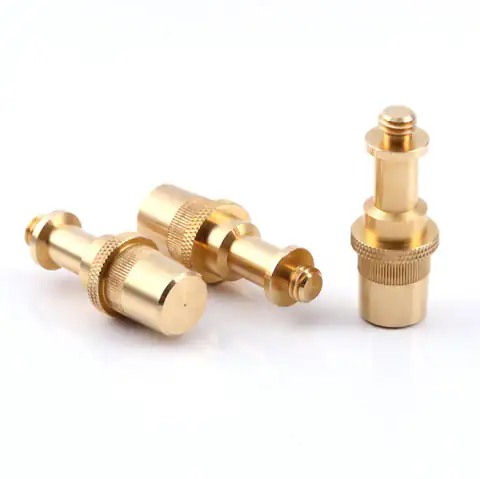
These are double-end stud bolts CNC turned from stainless steel, with threads on both ends and an unthreaded or reduced shank in between. Thread lengths, pitches and even thread sizes can differ at each end. Materials include 304, 316 and 17-4PH stainless, with brass and alloy steel options. They suit flange, pump and engine builders that need non-standard studs.
- Material
- Stainless Steel
- Tolerance
- to ±0.005 mm
- MOQ
- 1 piece
- Prototype lead time
- 3–7 days
- Different thread sizes or pitches at each end
- Reduced-shank option for even stretch under preload
- 304, 316, 17-4PH stainless or alloy steel
- Both ends gauge-checked; certificates available
Item ref. 62059255800 ·
| Process | CNC turning, thread cutting or rolling |
|---|---|
| Materials | Stainless steel 304, 316, 17-4PH; alloy steel 4140; brass |
| Tolerance | ±0.05 mm standard; down to ±0.005 mm on critical features |
| Surface Finish | Passivation, zinc plating, as-machined |
| Thread Options | Metric, UNC, UNF; unequal ends on request |
| MOQ | 1 piece; prototypes through mid-volume |
| Drawing Formats | STEP, IGES, X_T, STL, DWG, DXF, PDF |
| Lead Time | Prototypes typically 3–7 working days; production 10–20 |
| Inspection | First-article, in-process and CMM checks; reports on request |
Manufacturing
How we make this part
Process, material options and inspection for cnc turned stainless steel double-end stud bolts.
Double-end studs are turned from bar, with each end threaded in its own operation so lengths and pitches can differ. A tap end with a tighter thread class locks into a housing, while the nut end uses a standard fit. Reduced-shank designs, where the middle diameter is turned close to the thread root, let the stud stretch evenly under preload, which improves fatigue life in cyclic joints.
304 stainless covers most general uses; 316 is better for marine and chemical service. 17-4PH, precipitation hardened, provides higher tensile strength for pressure flanges while keeping corrosion resistance. Alloy steel studs, such as 4140 heat treated, are stronger still but need plating. Anti-galling compound is recommended for stainless nuts on stainless studs, since the two can cold-weld under load.
Both thread ends are checked with gauges, overall length and thread lengths are measured, and straightness is verified on long studs. Material certificates with heat numbers are available. Typical uses include pump and valve flange studs, exhaust manifold studs, engine cylinder head studs, heat exchanger flanges and marine equipment mounts.
FAQ
Frequently asked questions
Why use a double-end stud instead of a bolt?
A stud stays fixed in the housing while nuts are removed and refitted, so the threads in the housing do not wear with every service. Studs also make alignment easier during assembly and give more uniform clamping on flanges and cylinder heads.
How do I prevent galling on stainless studs and nuts?
Stainless on stainless can cold-weld under high load. Use an anti-seize or anti-galling compound, consider a different grade for the nut, such as a nitrogen-strengthened alloy, or specify rolled threads, which have smoother flanks. Lower tightening speeds also help.
How do I get a quote for cnc turned stainless steel double-end stud bolts?
Send a 3D model (STEP or IGES) and a 2D drawing with tolerances, material, finish and quantity through the quote form or by email. An engineer replies within 24 hours on business days with price, lead time and any DFM suggestions.
Request a quote
Quote this part
Attach drawings or send several parts at once from the full quote form.
- Email[email protected]
- WhatsApp+86 176 2154 1688
- Phone+86 176 2154 1688
- HoursMon–Sat, 08:30–18:00 China Standard Time (UTC+8)