CNC Turned Steel and Brass Machinery Fabrication Parts
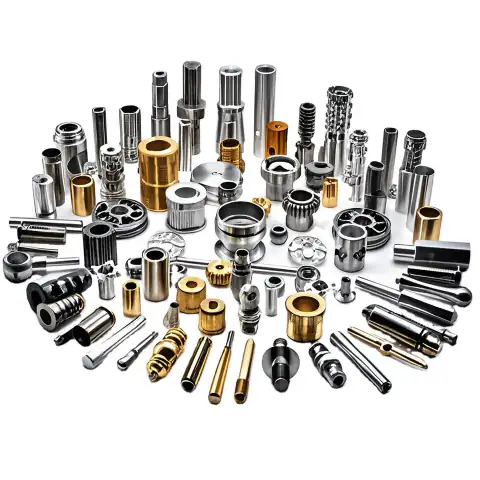
These are general machinery parts such as shafts, collars, couplers, hubs and pulleys, CNC turned and milled from steel, brass or aluminum. They are produced to customer drawings for machine builders, maintenance teams and fabrication shops. Our standard tolerance is ±0.05 mm, with critical fits held down to ±0.005 mm, and parts ship with dimensional reports when requested.
- Material
- Carbon Steel
- Tolerance
- to ±0.005 mm
- MOQ
- 1 piece
- Prototype lead time
- 3–7 days
- Shafts, collars, couplers, hubs and pulleys
- Keyways milled on shafts, broached in hubs
- Finish machining after heat treatment or welding
- Dimensional reports supplied on request
Item ref. 1601085273621 ·
| Process | CNC turning, milling, broaching, post-weld machining |
|---|---|
| Materials | Carbon steel 1045, Q235; alloy steel 4140; brass; aluminum 6061 |
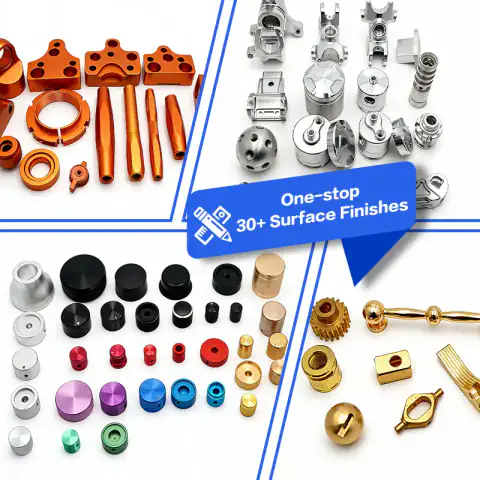
| Surface Finish | Black oxide, zinc plating, painting, anodizing |
| Tolerance | ±0.05 mm standard; down to ±0.005 mm on critical features |
| MOQ | 1 piece; prototypes through mid-volume runs |
| Drawing Formats | STEP, IGES, X_T, STL, DWG, DXF, PDF |
| Lead Time | Prototypes typically 3–7 working days; production usually 10–20 |
| Inspection | FAI, in-process checks, 100% critical dimensions; CMM |
Manufacturing
How we make this part
Process, material options and inspection for cnc turned steel and brass machinery fabrication parts.
Turned parts start on CNC lathes for diameters, shoulders, bores and threads, then move to milling for keyways, flats and bolt circles. Shaft keyways are milled to standard widths; hub keyways are broached. Parts that join to welded frames can be supplied with weld preps or machined after welding to correct distortion. Heat-treated parts are finish machined or ground after hardening.
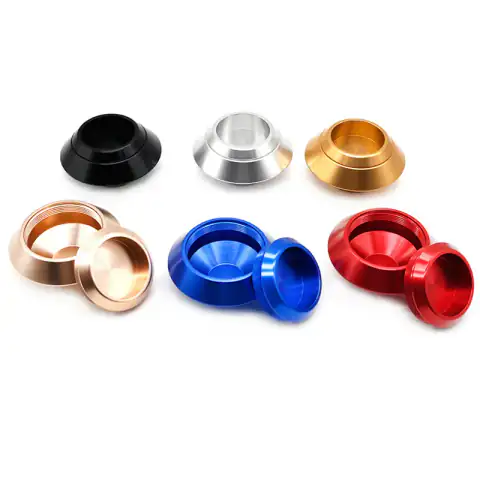
Carbon steel 1045 and alloy steel 4140 handle torque-carrying shafts and hubs; Q235 suits lightly loaded spacers. Brass is used for bushings and fittings, and aluminum for light covers and pulleys. Black oxide, zinc plating or painting protect steel; aluminum can be anodized. For bearing seats, a ground or fine-turned surface around Ra 0.8 µm is typical.
Diameters, keyway widths and runout are checked during production and again at final inspection. ISO 9001 procedures, thread gauges and CMM support repeatable results. Typical parts include drive shafts, shaft collars, flange couplings, pulley hubs, roller axles, spacers and adapter plates for conveyors, packaging lines, test rigs and custom machines.
FAQ
Frequently asked questions
Can you machine parts after they have been welded?
Yes. Welded frames or brackets often distort, so critical bores, faces and hole patterns are machined after welding to bring them back to drawing. Send the weldment drawing with machined features clearly marked. For parts we weld in-house, we plan the weld sequence and machining allowance together.
What material should I use for a machinery shaft?
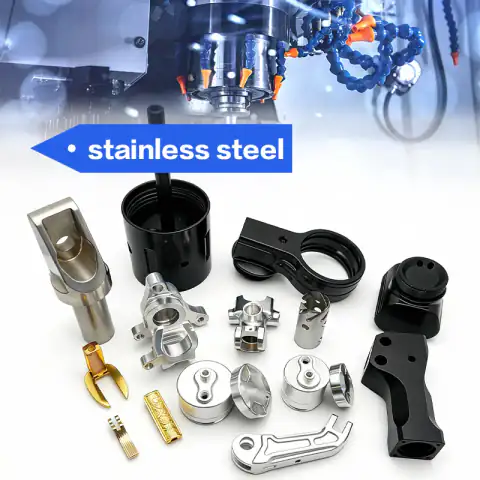
For moderate loads, 1045 carbon steel is economical and can be induction hardened at bearing seats. For higher torque or shock loads, 4140 alloy steel, supplied pre-hardened or heat treated, gives better strength and toughness. Stainless 304 or 416 suits corrosive or washdown environments. Share the load case and we will suggest a grade.
How do I get a quote for cnc turned steel and brass machinery fabrication parts?
Send a 3D model (STEP or IGES) and a 2D drawing with tolerances, material, finish and quantity through the quote form or by email. An engineer replies within 24 hours on business days with price, lead time and any DFM suggestions.
Request a quote
Quote this part
Attach drawings or send several parts at once from the full quote form.
- Email[email protected]
- WhatsApp+86 176 2154 1688
- Phone+86 176 2154 1688
- HoursMon–Sat, 08:30–18:00 China Standard Time (UTC+8)