Stainless and Carbon Steel Engine and Chassis Hardware
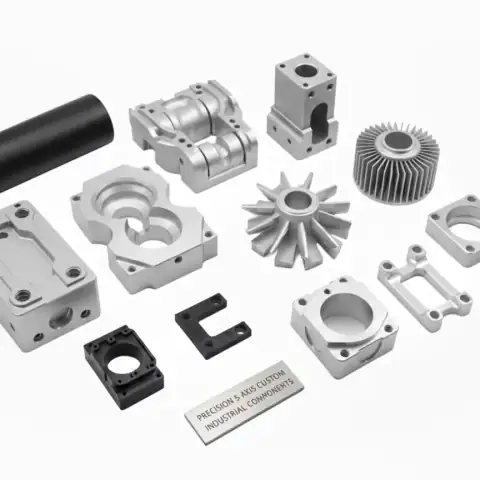
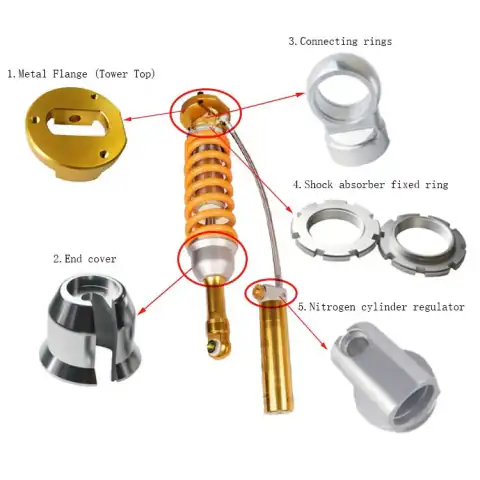
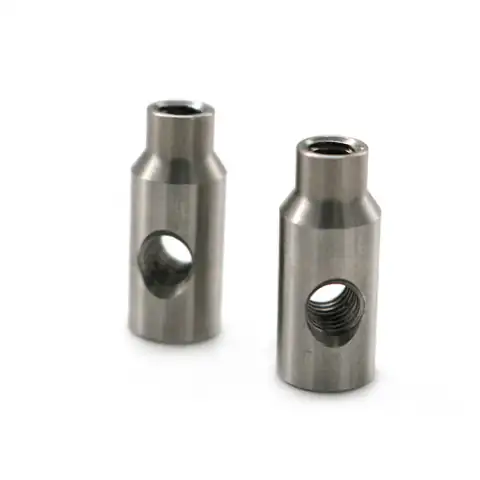
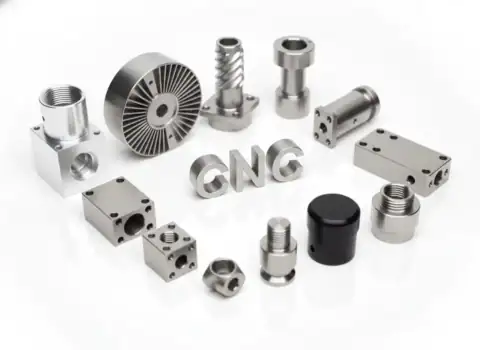
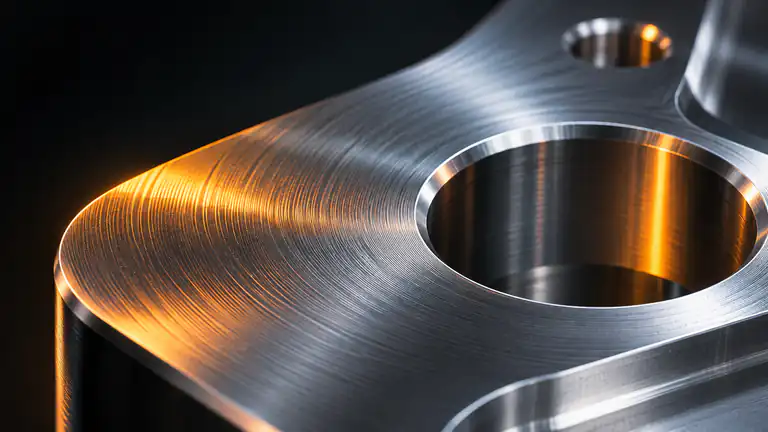
This is custom automotive hardware made from stainless steel and carbon steel: engine brackets, chassis bushings, threaded studs, spacers, pivot sleeves and mounting plates. Parts are CNC turned, milled and drilled, then plated, coated or passivated. They serve vehicle manufacturers, repair specialists and aftermarket suppliers that need durable steel hardware for engines, chassis and suspension systems.
- Material
- Carbon Steel
- Tolerance
- to ±0.005 mm
- MOQ
- 1 piece
- Prototype lead time
- 3–7 days
- Engine, chassis and suspension hardware to drawing
- Carbon steel coated or stainless left bare
- Rolled threads for fatigue-loaded studs
- Hardness and coating thickness checks
Item ref. 1601670976260 ·
| Process | CNC turning, CNC milling, laser cutting, heat treatment |
|---|---|
| Materials | Carbon steel 1045/Q235, alloy steel 4140, stainless steel 304/316 |
| Surface Finish | Zinc plating, black oxide, powder coating, passivation |
| Tolerance | ±0.05 mm standard; down to ±0.005 mm on critical features |
| MOQ | 1 piece; prototypes through mid-volume runs |
| Drawing Formats | STEP, IGES, X_T, STL, DWG, DXF, PDF |
| Lead Time | Prototypes typically 3–7 working days; production usually 10–20 |
| Inspection | FAI, in-process checks, 100% critical dimensions; CMM |
Manufacturing
How we make this part
Process, material options and inspection for stainless and carbon steel engine and chassis hardware.
Turned hardware such as studs, sleeves and bushings runs on CNC lathes with automatic bar feeders for consistent batches. Plate parts like brackets and mounting plates are laser cut, then milled where holes need precise positions or counterbores. Threads are cut or rolled. Parts that must be hardened are rough machined, heat treated and finished to final size.
Carbon steels such as 1045 and Q235 offer low cost and good strength and are protected by zinc plating, black oxide or powder coating. 4140 alloy steel is used for highly stressed studs and pivots. Stainless 304 and 316 are chosen for exhaust-area or exposed hardware where coatings would fail. The choice balances cost, strength and corrosion exposure.
Dimensions, thread fit and hardness are checked on each lot, with critical features inspected before packing. Coating thickness can be measured if specified. Typical parts are alternator and compressor brackets, engine mount sleeves, chassis bushings, threaded studs, exhaust hangers, suspension spacers and heat shield standoffs for passenger cars, trucks and off-road vehicles.
FAQ
Frequently asked questions
Should engine bay hardware be stainless or carbon steel?
Use stainless near exhausts, where heat would burn off coatings, and on exposed parts that should look clean for years. Carbon or alloy steel with zinc plating or black oxide is stronger for the cost and suits brackets and studs away from extreme heat. Many builds mix both.
Can you match OEM hardware that is no longer available?
Yes, from a drawing or a sample. We measure the sample, confirm critical dimensions and material with you, and machine replacement parts. A first article is sent for fit approval before batch production, which helps avoid surprises on older or modified vehicles.
How do I get a quote for stainless and carbon steel engine and chassis hardware?
Send a 3D model (STEP or IGES) and a 2D drawing with tolerances, material, finish and quantity through the quote form or by email. An engineer replies within 24 hours on business days with price, lead time and any DFM suggestions.
Request a quote
Quote this part
Attach drawings or send several parts at once from the full quote form.
- Email[email protected]
- WhatsApp+86 176 2154 1688
- Phone+86 176 2154 1688
- HoursMon–Sat, 08:30–18:00 China Standard Time (UTC+8)