Stainless Steel Turbo Flanges and Off-Road Engine Parts
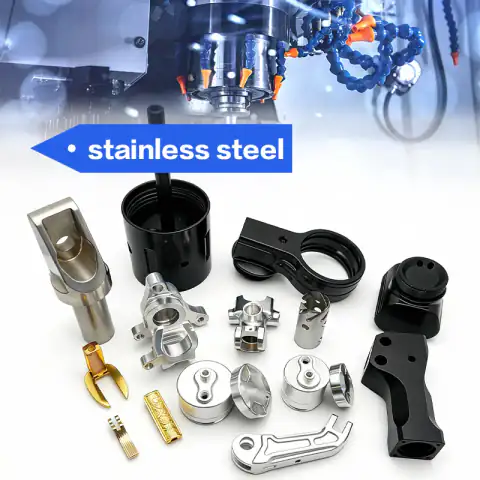
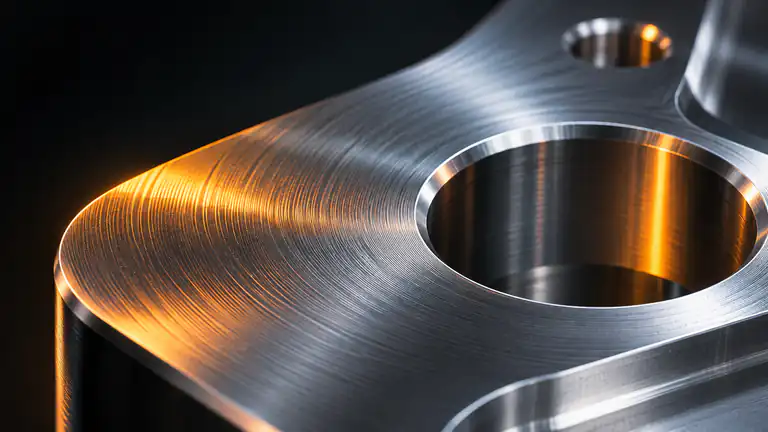
These are CNC machined stainless steel parts for turbocharged and off-road engines, including turbo inlet and outlet flanges, downpipe adapters, oil and coolant feed fittings, wastegate flanges and engine brackets. They are milled and turned from 304 or 321-type stainless and alloy steel. They suit off-road builders and performance shops that need parts able to handle exhaust heat and vibration.
- Material
- Stainless Steel
- Tolerance
- to ±0.005 mm
- MOQ
- 1 piece
- Prototype lead time
- 3–7 days
- Flat sealing faces machined for leak-free gaskets
- Turbo stud patterns and port shapes to drawing
- Weld-prep bevels for downpipe fabrication
- 304, 321-type stainless or titanium options
Item ref. 1601364314099 ·
| Process | Laser cutting, CNC milling, CNC turning, weld prep machining |
|---|---|
| Materials | Stainless steel 304/321-type, alloy steel, titanium Gr5 |
| Surface Finish | As machined, bead blasting, passivation, polishing |
| Tolerance | ±0.05 mm standard; down to ±0.005 mm on critical features |
| MOQ | 1 piece; prototypes through mid-volume runs |
| Drawing Formats | STEP, IGES, X_T, STL, DWG, DXF, PDF |
| Lead Time | Prototypes typically 3–7 working days; production usually 10–20 |
| Inspection | FAI, in-process checks, 100% critical dimensions; CMM |
Manufacturing
How we make this part
Process, material options and inspection for stainless steel turbo flanges and off-road engine parts.
Flanges are cut from thick stainless plate by laser or saw, then milled flat on the sealing face and drilled to the turbo's stud pattern. Port shapes are milled to match the turbine housing. Oil feed fittings are turned with banjo or flare seats. Weld preparation bevels are machined where flanges join tubing, ensuring good penetration when the exhaust is fabricated.
304 stainless is the common choice, with good oxidation resistance up to roughly 870 °C intermittent. For higher exhaust temperatures, 321 or 310 grades resist scaling better. Titanium is an option for lightweight race components. Mild steel flanges cost less but rust. Sealing faces should be flat to avoid gasket leaks; many builders specify a light surface grind after welding.
Sealing face flatness, stud pattern and port dimensions are checked against the drawing, and thread fit is verified on fittings. Each part is inspected before packing. Typical products include T3/T4-style turbo flanges, V-band adapters, wastegate and blow-off valve flanges, oil drain flanges, coolant fittings and engine accessory brackets for 4x4 and off-road vehicles.
FAQ
Frequently asked questions
Which stainless steel is best for turbo flanges?
304 stainless works for most street and off-road builds. For sustained high exhaust temperatures or race use, 321 stainless resists scaling and intergranular corrosion better because of titanium stabilization. Thickness also matters; thicker flanges warp less during welding and heat cycling.
Will a stainless flange warp after welding?
Some distortion is common because stainless expands considerably when heated. Thicker flanges, tack welding in a balanced sequence and fixtures reduce it. For critical sealing faces, a light resurface after welding restores flatness. We can machine flanges with extra stock for post-weld facing.
How do I get a quote for stainless steel turbo flanges and off-road engine parts?
Send a 3D model (STEP or IGES) and a 2D drawing with tolerances, material, finish and quantity through the quote form or by email. An engineer replies within 24 hours on business days with price, lead time and any DFM suggestions.
Request a quote
Quote this part
Attach drawings or send several parts at once from the full quote form.
- Email[email protected]
- WhatsApp+86 176 2154 1688
- Phone+86 176 2154 1688
- HoursMon–Sat, 08:30–18:00 China Standard Time (UTC+8)