Injection Molds & Plastic Parts
Aluminum Die Casting and Rapid Prototype Mold Services
This service covers aluminum die casting and investment casting with CNC finishing, plus rapid prototype tooling such as aluminum and brass molds. Projects often start with CNC machined prototypes, move to a quick prototype mold, then go to cast production. It is aimed at product teams who want one supplier for prototypes, tooling and finished cast parts.
- Material
- Aluminum
- Tolerance
- to ±0.005 mm
- MOQ
- 1 piece
- Prototype lead time
- 3–7 days
- CNC prototypes, prototype molds and cast production
- Die-cast parts CNC finished in-house
- ADC12/A380 die casting or investment casting
- Painting or powder coat for cast aluminum
Item ref. 1600703254562 ·
| Process | Die casting, investment casting, CNC machining, prototype mold making |
|---|---|
| Materials | Aluminum ADC12, A380, 6061; brass; stainless steel (investment casting) |
| Tolerance | ±0.05 mm standard; down to ±0.005 mm on critical features |
| Surface Finish | Painting, powder coating, sandblasting, machined finish |
| Typical Parts | Motor housings, heat sinks, pump bodies, covers |
| MOQ | 1 piece; prototypes through mid-volume |
| Drawing Formats | STEP, IGES, X_T, STL, DWG, DXF, PDF |
| Lead Time | Prototypes typically 3–7 working days; production 10–20 |
| Inspection | First-article, in-process and CMM checks; reports on request |
Manufacturing
How we make this part
Process, material options and inspection for aluminum die casting and rapid prototype mold services.
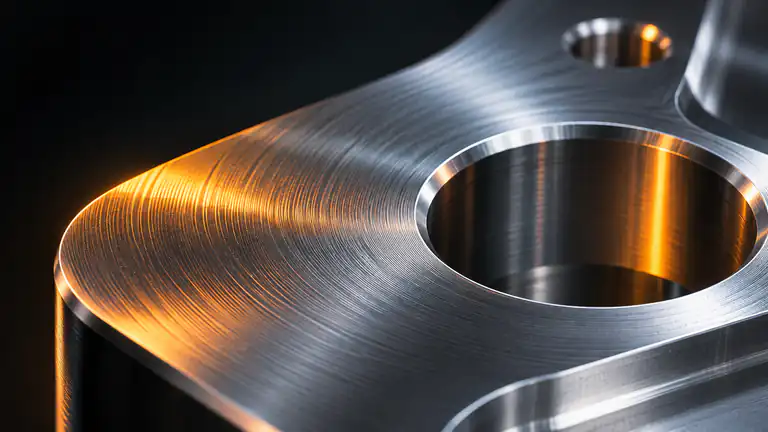
Die casting injects molten aluminum into a steel die under pressure, producing near-net shapes quickly once the die is made. Cast parts still need CNC machining for bores, threads and sealing faces, which we do in-house. Before committing to a steel die, CNC machined prototypes or soft aluminum molds let you validate fit and function at much lower tooling cost.
ADC12 and A380 are common die-casting alloys with good fluidity for thin walls; they are less suitable for anodizing than wrought 6061, so painting or powder coating is preferred. Investment casting suits stainless steel or complex shapes at lower volumes. Aluminum prototype molds are fast to machine but wear sooner than hardened steel, so they suit short runs.
Cast parts are inspected for porosity on machined faces, dimensions are checked on the first article, and critical machined features are measured on every part. Material certificates for alloys are available. Typical uses include motor housings, lighting heat sinks, pump bodies, gearbox covers, bracket castings and prototype molds for plastic parts.
FAQ
Frequently asked questions
When should I switch from CNC machining to die casting?
Die casting is worth it once volumes are high enough to recover die cost through lower piece prices, and the design is stable. For prototypes and low volumes, CNC machining is faster and needs no tooling. We can quote both and show the break-even quantity.
Can die-cast aluminum be anodized?
It can, but results are usually poor because high-silicon die-cast alloys anodize unevenly and look gray or blotchy. Painting or powder coating is preferred for cast parts. If anodizing is essential, consider machining from 6061 or using a lower-silicon casting alloy.
How do I get a quote for aluminum die casting and rapid prototype mold services?
Send a 3D model (STEP or IGES) and a 2D drawing with tolerances, material, finish and quantity through the quote form or by email. An engineer replies within 24 hours on business days with price, lead time and any DFM suggestions.
Request a quote
Quote this part
Attach drawings or send several parts at once from the full quote form.
- Email[email protected]
- WhatsApp+86 176 2154 1688
- Phone+86 176 2154 1688
- HoursMon–Sat, 08:30–18:00 China Standard Time (UTC+8)