Laser Cut Stainless Steel and Aluminum Sheet Metal Parts
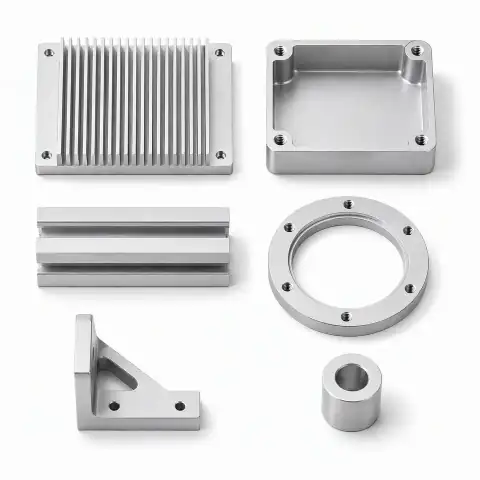
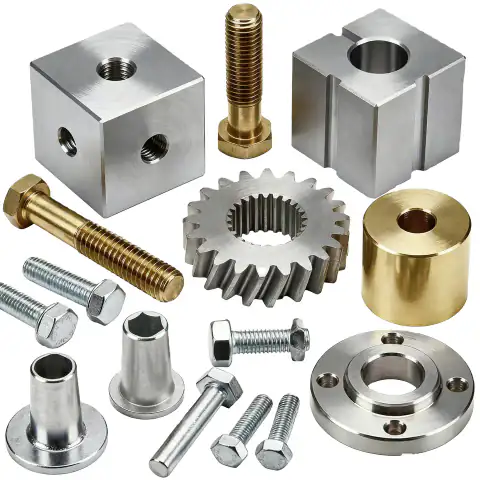
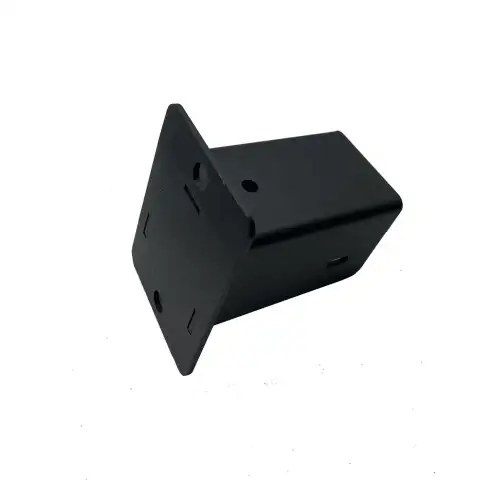
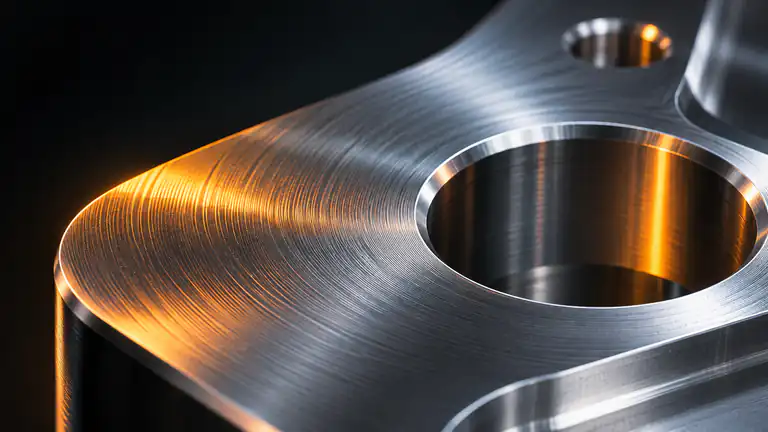
These are flat and formed sheet metal parts laser cut from stainless steel and aluminum sheet, with secondary CNC machining where needed. Laser cutting produces the profile and holes; CNC operations add countersinks, tapped holes and milled steps that sheet processes cannot. They are made for automotive, equipment and enclosure buyers who need accurate blanks and plates from DXF or STEP files.
- Material
- Stainless Steel
- Tolerance
- to ±0.005 mm
- MOQ
- 1 piece
- Prototype lead time
- 3–7 days
- Fiber laser profiles from DXF or STEP files
- CNC tapping, countersinking and pocketing after cutting
- 304/316 stainless, 5052 and 6061 aluminum
- Brushed, blasted, anodized or powder coated
Item ref. 1601368408700 ·
| Process | Fiber laser cutting, deburring, secondary CNC milling, tapping |
|---|---|
| Materials | Stainless steel 304/316, aluminum 5052/6061, carbon steel Q235 |
| Surface Finish | Brushing, bead blasting, anodizing, passivation, powder coating |
| Cut Edge Tolerance | Typically ±0.1 mm; machined features tighter |
| Tolerance | ±0.05 mm standard; down to ±0.005 mm on critical features |
| MOQ | 1 piece; prototypes through mid-volume runs |
| Drawing Formats | STEP, IGES, X_T, STL, DWG, DXF, PDF |
| Lead Time | Prototypes typically 3–7 working days; production usually 10–20 |
| Inspection | FAI, in-process checks, 100% critical dimensions; CMM |
Manufacturing
How we make this part
Process, material options and inspection for laser cut stainless steel and aluminum sheet metal parts.
Fiber laser cutting follows the DXF profile with a narrow kerf, so internal holes and slots can be cut close to edges without distortion. Thicker plates may show a slight edge taper, so precise bores are opened up by drilling or reaming afterward. Parts are then deburred, and CNC mills add tapped holes, countersinks, chamfers or pockets.
Stainless steel 304 is used for corrosion-resistant covers and brackets; 316 for marine and chemical exposure. Aluminum 5052 cuts and bends well and is common for panels, while 6061 plate suits parts that need machining afterward. Finishes include brushing, bead blasting and anodizing for aluminum, and passivation or powder coating for steel. Laser marking can add part numbers.
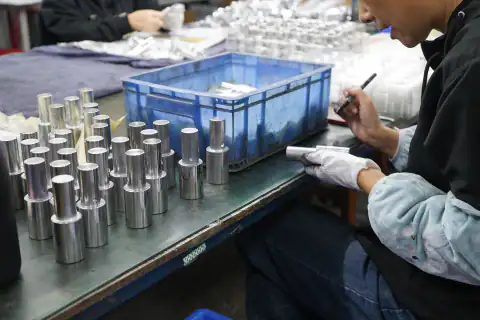
Profiles are checked against the DXF, and machined features are inspected with gauges and calipers on every lot; tolerances on laser-cut edges are typically ±0.1 mm, with machined features tighter. Critical dimensions are inspected before shipment. Typical parts include mounting plates, gaskets, shims, gussets, faceplates, brackets and enclosure panels for vehicles, machines and electrical equipment.
FAQ
Frequently asked questions
What tolerance does laser cutting hold on sheet metal?
Laser-cut profiles typically hold around ±0.1 mm depending on material and thickness. Thick plate can show slight edge taper. When a hole or edge needs tighter tolerance, we cut it undersize and finish it by drilling, reaming or milling, which brings it to machined tolerances.
Can you add threads to thin laser-cut sheet?
Thin sheet has too little material for many thread turns, so we use options such as press-fit nuts and studs, form tapping, extruded holes, or rivet nuts. For plates above roughly 3 mm, direct tapping usually works. We will suggest the best method based on thickness and load.
How do I get a quote for laser cut stainless steel and aluminum sheet metal parts?
Send a 3D model (STEP or IGES) and a 2D drawing with tolerances, material, finish and quantity through the quote form or by email. An engineer replies within 24 hours on business days with price, lead time and any DFM suggestions.
Request a quote
Quote this part
Attach drawings or send several parts at once from the full quote form.
- Email[email protected]
- WhatsApp+86 176 2154 1688
- Phone+86 176 2154 1688
- HoursMon–Sat, 08:30–18:00 China Standard Time (UTC+8)