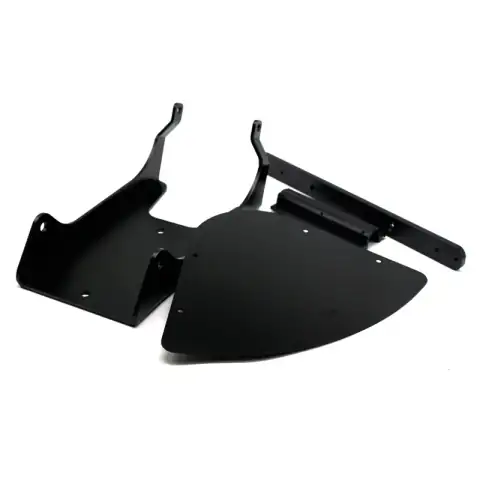
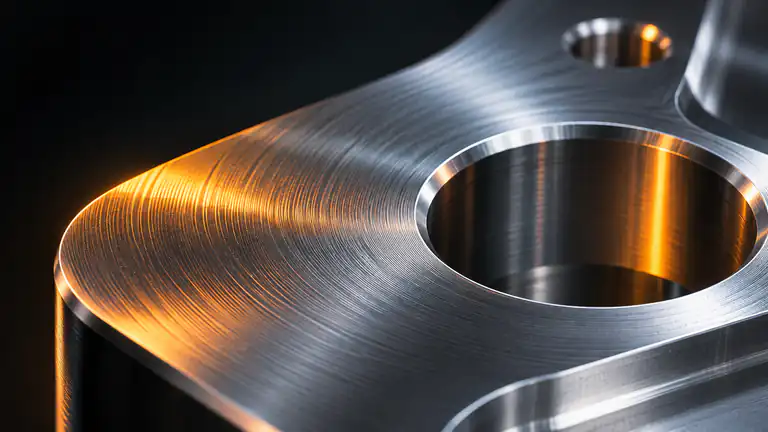
3/4/5-Axis CNC Milled Aluminum Robot Joint Bracket
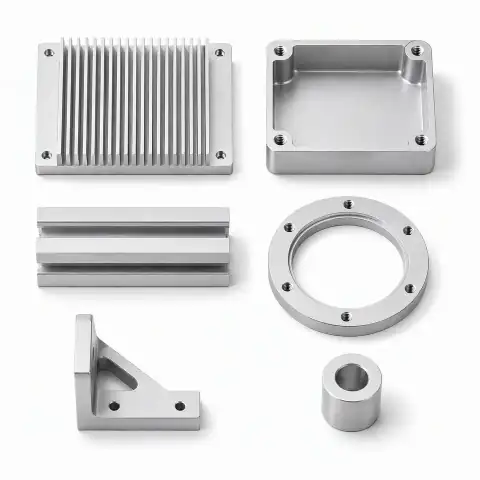
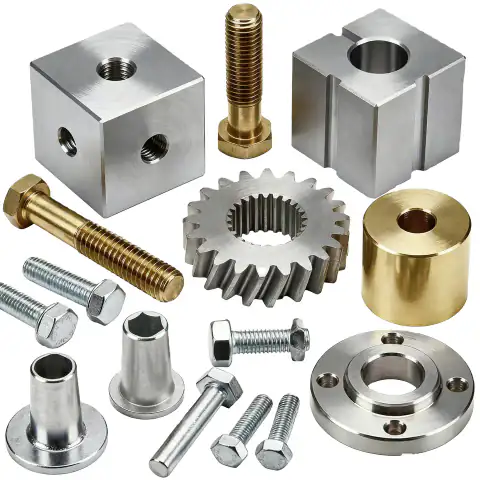
This is a custom robot joint bracket, link plate or actuator housing CNC milled from 6061-T6 or 7075-T6 aluminum on 3-, 4- or 5-axis machines. Bearing bores, motor flanges and cable channels are cut with ±0.05 mm standard tolerance and tighter on bearing seats, then anodized. It suits robotics developers and automation OEMs building arms, cobots, grippers and legged robots.
- Material
- Aluminum
- Tolerance
- to ±0.005 mm
- MOQ
- 1 piece
- Prototype lead time
- 3–7 days
- Bearing seat and flange machined in one setup
- 7075-T6 for compact, high-load joints
- Lightening pockets sized for stiffness
- Optional steel thread inserts for frequent servicing
Item ref. 1601174003776 ·
| Process | 3-, 4- and 5-axis CNC milling |
|---|---|
| Materials | Aluminum 6061-T6, 7075-T6 |
| Tolerance | ±0.05 mm standard; tighter on bearing bores |
| Surface Finish | Type II anodizing, Type III hard anodizing, sandblasting |
| MOQ | 1 piece |
| Drawing Formats | STEP, IGES, X_T, STL, DWG, DXF, PDF |
| Lead Time | Prototypes ~3–7 working days; production typically 10–20 working days |
| Inspection | First-article + 100% critical-dimension inspection; CMM report on request |
Manufacturing
How we make this part
Process, material options and inspection for 3/4/5-axis cnc milled aluminum robot joint bracket.
Robot joints combine bearing seats, gear or motor flanges and lightweight pockets in one part. We machine the bearing bore and flange face in the same setup so the joint axis is square to its mounting surface. 5-axis access cuts angled cable routes and side features without extra fixtures. Lightening pockets are cut with rib thicknesses chosen to keep stiffness while removing mass.
7075-T6 is preferred for highly loaded links and compact joints because its strength allows thinner walls; 6061-T6 suits lighter arms and prototypes at lower cost. Hard anodizing gives wear resistance on bearing shoulders, while Type II anodizing offers color for branding. Steel inserts can be added where screws will be cycled often, as aluminum threads wear under repeated assembly.
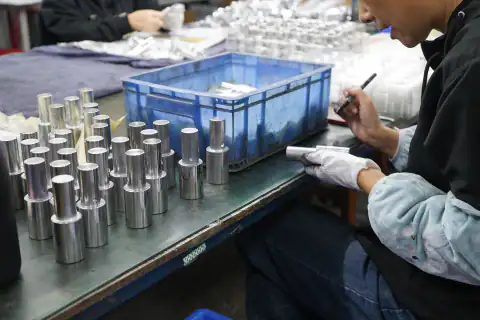
Bearing bore diameter, roundness and perpendicularity to the mounting face are measured on CMM at first article, and these critical features are 100% inspected in production. Inspection reports and material certificates are supplied on request. Typical uses include cobot joint housings, SCARA links, gripper bodies, quadruped leg links and gimbal joints.
FAQ
Frequently asked questions
What bearing bore tolerance should I specify?
Bearing bores are usually toleranced to the bearing maker's recommended fit, often an H7 or similar class for a housing. We machine to the class on your drawing and verify with bore gauges and CMM. Anodizing is masked or allowed for on bearing seats.
Can aluminum robot joints be used with steel screws long term?
Yes, but threads in aluminum wear if screws are removed often. For joints that will be serviced repeatedly, we recommend helical or key-locking steel thread inserts. They can be fitted after anodizing so the part arrives ready for assembly.
How do I get a quote for 3/4/5-axis cnc milled aluminum robot joint bracket?
Send a 3D model (STEP or IGES) and a 2D drawing with tolerances, material, finish and quantity through the quote form or by email. An engineer replies within 24 hours on business days with price, lead time and any DFM suggestions.
Request a quote
Quote this part
Attach drawings or send several parts at once from the full quote form.
- Email[email protected]
- WhatsApp+86 176 2154 1688
- Phone+86 176 2154 1688
- HoursMon–Sat, 08:30–18:00 China Standard Time (UTC+8)