5-Axis and Wire EDM Aluminum Automation Fixture Parts
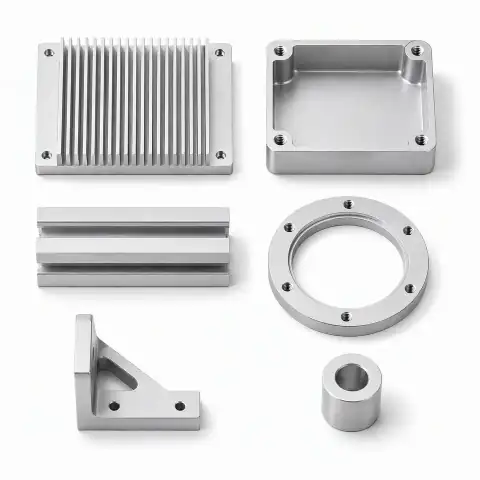
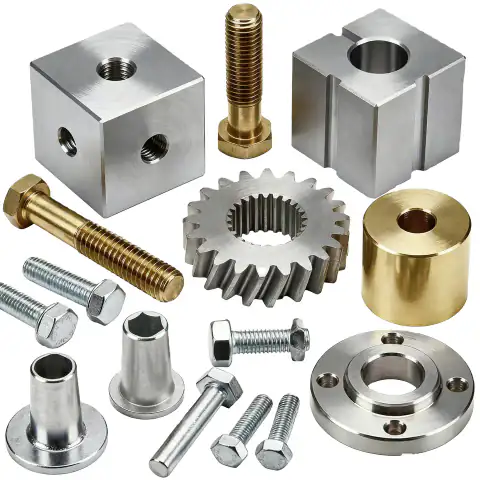
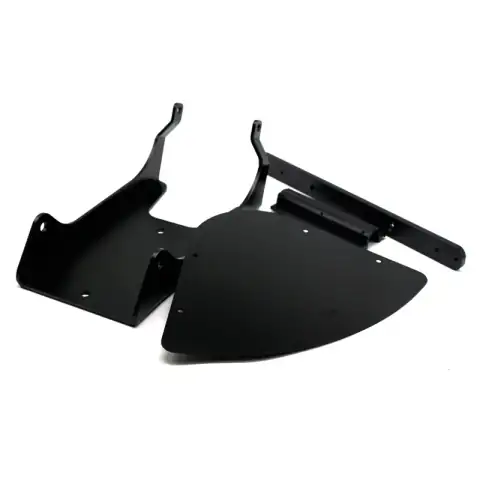
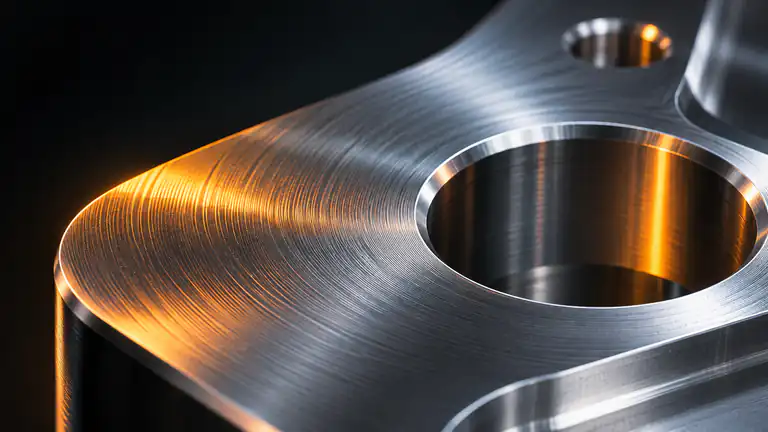
These are aluminum components for industrial automation equipment, such as fixture plates, gripper jaws, locating blocks, sensor brackets and linear module carriages. They are produced by 5-axis CNC milling and wire EDM, with critical locating features held down to ±0.005 mm. They are made for automation integrators and equipment builders who need repeatable, precise parts for assembly and test lines.
- Material
- Aluminum
- Tolerance
- to ±0.005 mm
- MOQ
- 1 piece
- Prototype lead time
- 3–7 days
- Reamed dowel holes and datum faces to tight tolerance
- Wire EDM for narrow slots and hardened inserts
- 6061-T6 bodies, 7075-T6 jaws, hard anodize
- Critical features checked on every piece
Item ref. 1601668812272 ·
| Process | 5-axis CNC milling, wire EDM, reaming, drilling and tapping |
|---|---|
| Materials | Aluminum 6061-T6, 7075-T6; hardened steel and stainless inserts |
| Tolerance | Down to ±0.005 mm on critical features; ±0.05 mm general |
| Surface Finish | Hard anodizing, brushing, powder coating, electroplating |
| Typical Parts | Fixture plates, gripper jaws, locating blocks |
| MOQ | 1 piece; prototypes through mid-volume |
| Drawing Formats | STEP, IGES, X_T, STL, DWG, DXF, PDF |
| Lead Time | Prototypes typically 3–7 working days; production 10–20 |
| Inspection | First-article, in-process and CMM checks; reports on request |
Manufacturing
How we make this part
Process, material options and inspection for 5-axis and wire edm aluminum automation fixture parts.
Automation fixtures depend on repeatable location, so dowel holes, datum faces and slot widths are the priority. We mill the body on 5-axis centers, ream dowel holes to size, and use wire EDM for narrow slots, sharp internal corners or hardened steel inserts that milling cannot reach cleanly. Parts are machined in a sequence that keeps all critical features referenced to the same datums.
6061-T6 aluminum is the common choice for fixture bodies because it is light and quick to machine. 7075-T6 is stiffer and more wear resistant for gripper jaws. Hard anodizing improves surface hardness for sliding or locating faces, while brushing and powder coating suit covers. Hardened steel or stainless inserts are often pressed in where pins wear against the part.
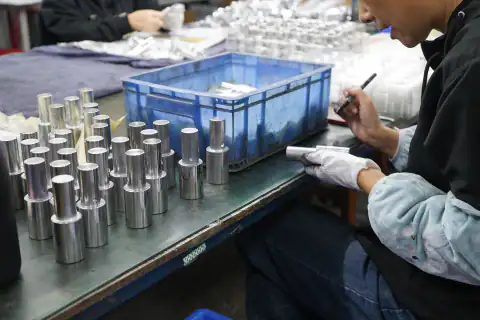
Each part receives a first-article report, and critical features are checked on every piece before shipment, using CMM, pin gauges and height gauges. Inspection follows documented steps under an ISO 9001 system. Typical uses include pick-and-place fixtures, end-of-arm tooling, test-socket plates, conveyor stops and calibration jigs for electronics and automotive assembly lines.
FAQ
Frequently asked questions
Should automation fixtures be aluminum or steel?
Aluminum is usually best for fixture bodies because it is light, which matters on moving axes, and quick to machine. Where locating pins or clamps contact the workpiece repeatedly, add hardened steel or stainless inserts. This combination gives low weight with durable locating surfaces.
How do you hold ±0.005 mm on dowel holes?
We drill undersize, then ream or bore to size in a final pass with the part fully stabilized, and measure with pin gauges and CMM. Keeping all critical features on the same datum reference also avoids stack-up between setups, which is often the real source of position error.
How do I get a quote for 5-axis and wire edm aluminum automation fixture parts?
Send a 3D model (STEP or IGES) and a 2D drawing with tolerances, material, finish and quantity through the quote form or by email. An engineer replies within 24 hours on business days with price, lead time and any DFM suggestions.
Request a quote
Quote this part
Attach drawings or send several parts at once from the full quote form.
- Email[email protected]
- WhatsApp+86 176 2154 1688
- Phone+86 176 2154 1688
- HoursMon–Sat, 08:30–18:00 China Standard Time (UTC+8)