5-Axis Machined Stainless Steel EV Charging Components
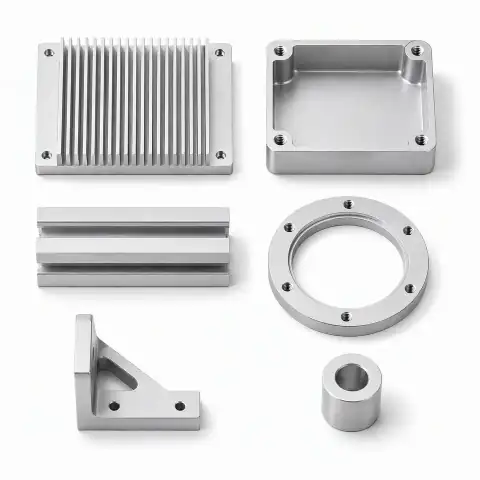
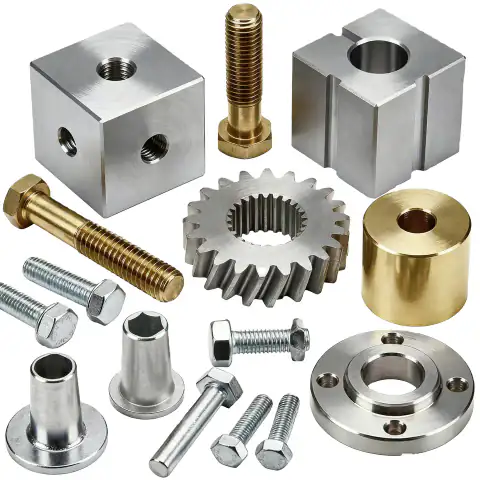
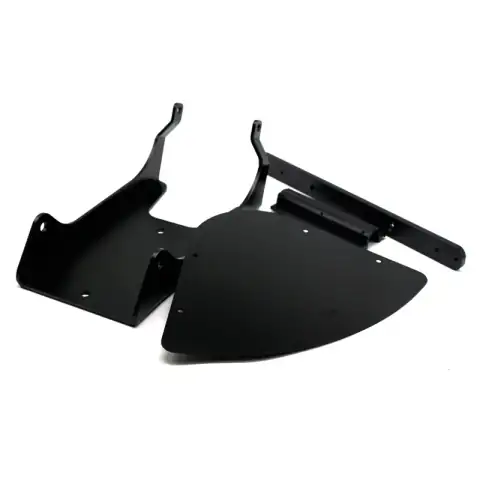
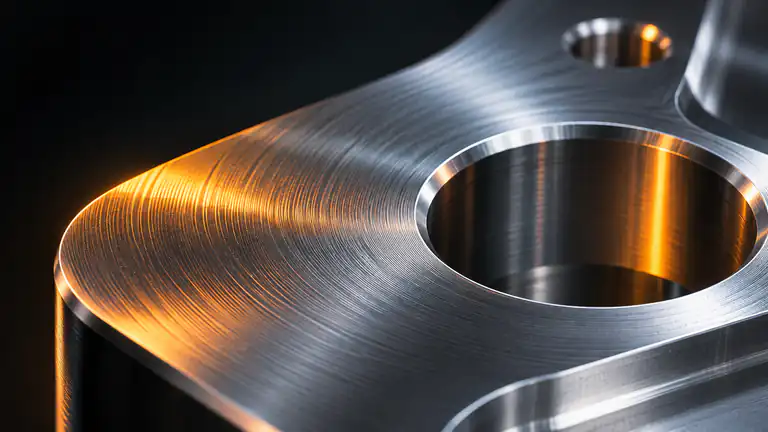
These are machined components for EV charging equipment, such as connector housings, terminal carriers, cable glands, latch parts and mounting brackets. We produce them by 5-axis milling and CNC turning in 304 or 316 stainless steel, aluminum and, for conductive parts, copper or brass. They are for charger manufacturers and new-energy engineering teams building prototypes and pilot runs.
- Material
- Stainless Steel
- Tolerance
- to ±0.005 mm
- MOQ
- 1 piece
- Prototype lead time
- 3–7 days
- Turned glands and milled housings in one order
- 304 or 316 stainless for outdoor hardware
- Copper and brass contacts with nickel plating
- Sealing grooves checked for IP-rated enclosures
Item ref. 1601381704326 ·
| Process | 5-axis CNC milling, CNC turning, drilling and tapping |
|---|---|
| Materials | Stainless steel 304, 316; aluminum 6061-T6; copper; brass |
| Tolerance | ±0.05 mm standard; down to ±0.005 mm on critical features |
| Surface Finish | Passivation, anodizing, nickel electroplating, brushing |
| Typical Parts | Connector housings, glands, terminals, latches |
| MOQ | 1 piece; prototypes through mid-volume |
| Drawing Formats | STEP, IGES, X_T, STL, DWG, DXF, PDF |
| Lead Time | Prototypes typically 3–7 working days; production 10–20 |
| Inspection | First-article, in-process and CMM checks; reports on request |
Manufacturing
How we make this part
Process, material options and inspection for 5-axis machined stainless steel ev charging components.
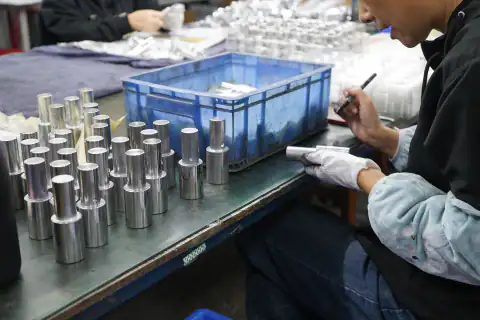
Charging hardware combines turned round features, such as glands and terminal sleeves, with milled housings that need sealing grooves and angled cable entries. We split work between CNC lathes for cylindrical parts and 5-axis mills for housings, so each feature is cut on the machine best suited to it. Sealing grooves are finished with dedicated cutters to keep the surface consistent for O-rings.
304 stainless is a cost-effective choice for outdoor latches and brackets; 316 adds molybdenum for better resistance in coastal or road-salt environments. Aluminum 6061-T6 keeps housings light and is anodized for corrosion protection. Current-carrying parts are usually C11000 copper or brass with nickel or silver-type plating to keep contact resistance low; the plating spec should be on the drawing.
O-ring groove dimensions, thread fit for cable glands and flatness of sealing faces are verified because they decide whether an enclosure holds its IP rating. Critical dimensions are checked on every part before shipment, with CMM reports available. Typical uses are wallbox charger housings, DC charging gun components, battery-swap station hardware and charging pile mounting kits.
FAQ
Frequently asked questions
Which stainless grade should I use for outdoor EV charger parts?
Use 304 for most inland outdoor hardware and 316 for coastal sites or areas with road salt, because its molybdenum content improves pitting resistance. Both should be passivated after machining to remove free iron from the surface and restore the protective oxide layer.
Can you plate copper charging terminals?
Yes. We machine copper and brass terminals and arrange nickel or other electroplating to your specification. Tell us the required plating type and thickness on the drawing, because contact resistance and wear life depend heavily on the plating chosen for the mating cycles you expect.
How do I get a quote for 5-axis machined stainless steel ev charging components?
Send a 3D model (STEP or IGES) and a 2D drawing with tolerances, material, finish and quantity through the quote form or by email. An engineer replies within 24 hours on business days with price, lead time and any DFM suggestions.
Request a quote
Quote this part
Attach drawings or send several parts at once from the full quote form.
- Email[email protected]
- WhatsApp+86 176 2154 1688
- Phone+86 176 2154 1688
- HoursMon–Sat, 08:30–18:00 China Standard Time (UTC+8)