CNC Machined Acrylic and Aluminum Prototype Accessories
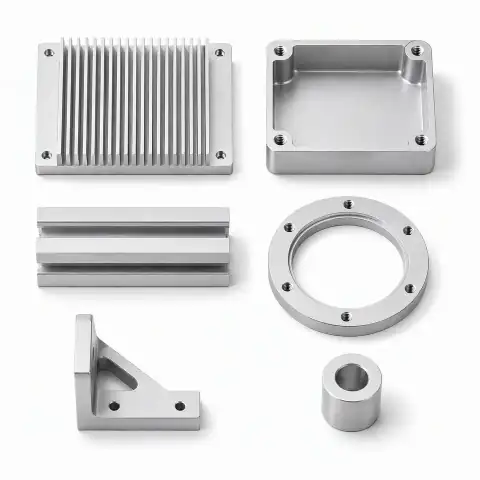
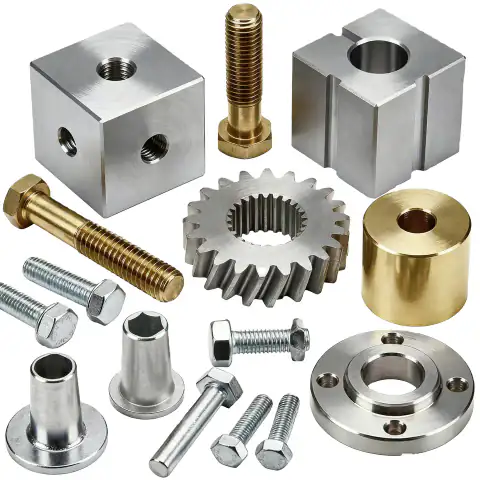
These are prototype accessories that combine CNC machined acrylic (PMMA) and aluminum parts, such as clear covers, light guides, display windows and their aluminum frames. Acrylic is milled with sharp single-flute tools and then mechanically polished for clarity. The service is used by product designers making functional mock-ups, display pieces and small runs.
- Material
- Plastic
- Tolerance
- to ±0.005 mm
- MOQ
- 1 piece
- Prototype lead time
- 3–7 days
- Cast acrylic milled and polished for clarity
- Matching aluminum frames machined in the same order
- Micro machining for small, fine features
- Protective film packing to avoid scratches
Item ref. 1601140531840 ·
| Process | Micro and standard CNC milling, polishing |
|---|---|
| Materials | Acrylic (PMMA), polycarbonate, aluminum 6061 |
| Surface Finish | Polished clear acrylic; sandblasted and anodized aluminum |
| Tolerance | ±0.05 mm standard; down to ±0.005 mm on critical features |
| MOQ | 1 piece; prototypes through mid-volume runs |
| Drawing Formats | STEP, IGES, X_T, STL, DWG, DXF, PDF |
| Lead Time | Prototypes typically 3–7 working days; production usually 10–20 |
| Inspection | FAI, in-process checks, 100% critical dimensions; CMM |
Manufacturing
How we make this part
Process, material options and inspection for cnc machined acrylic and aluminum prototype accessories.
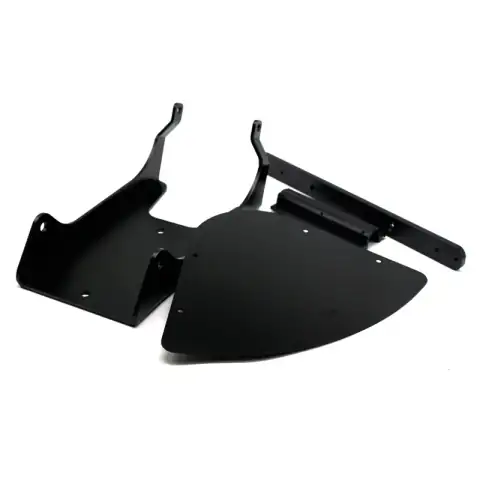
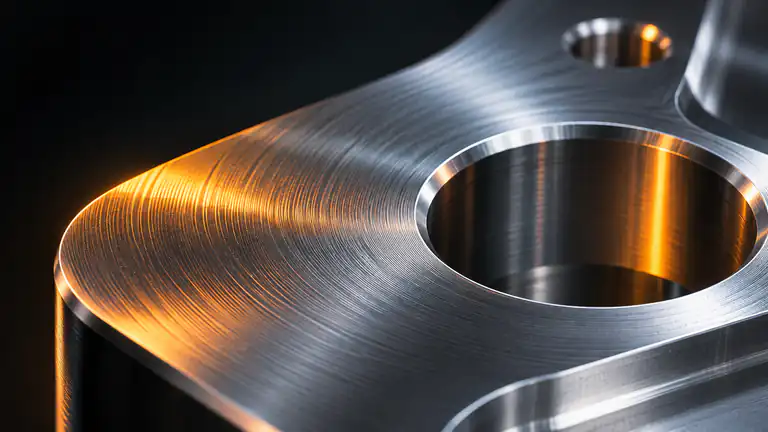
Acrylic is cut on micro and standard machining centers with high spindle speeds, sharp single-flute cutters and air or mist cooling, which avoid melting and cracking. Edges and faces are then polished mechanically. Aluminum frames and brackets are milled in the same order, with fits checked against the acrylic parts so assemblies close without stress that could crack the plastic.
Cast acrylic machines better than extruded acrylic and resists crazing, so it is preferred for clear parts. Polycarbonate is tougher but scratches more easily and is harder to polish to optical clarity. Aluminum 6061 frames are commonly sandblasted and anodized. For acrylic, avoid alcohol-based cleaners and tight press fits, both of which can cause stress cracking.
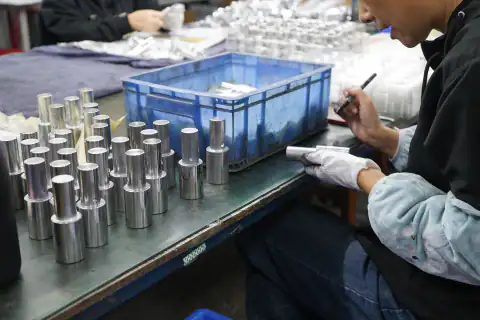
Clarity, edge finish and dimensions are inspected on every acrylic part; scratches are checked under a light box. Aluminum parts are measured on critical fits. Parts are packed with protective film. Typical uses include light pipes for electronics, transparent covers for prototypes, display stands, lenses for lighting prototypes, fluid-visible test housings and small production accessories for consumer products and exhibitions.
FAQ
Frequently asked questions
Can CNC machined acrylic be made fully transparent?
Yes. Machined surfaces start frosted, but faces and edges can be polished mechanically to near optical clarity. Internal pockets and small features are harder to polish and may stay slightly hazy. For best results, use cast acrylic and allow polishing access when designing the part.
What causes cracks in machined acrylic parts?
Cracks usually come from heat during machining, stress from tight press fits or screws, and solvents such as alcohol attacking stressed areas. We control heat with sharp tools and coolant, and recommend clearance holes, washers and annealing when parts will be under load.
How do I get a quote for cnc machined acrylic and aluminum prototype accessories?
Send a 3D model (STEP or IGES) and a 2D drawing with tolerances, material, finish and quantity through the quote form or by email. An engineer replies within 24 hours on business days with price, lead time and any DFM suggestions.
Request a quote
Quote this part
Attach drawings or send several parts at once from the full quote form.
- Email[email protected]
- WhatsApp+86 176 2154 1688
- Phone+86 176 2154 1688
- HoursMon–Sat, 08:30–18:00 China Standard Time (UTC+8)