CNC Machined PEEK and Acetal High-Performance Plastic Parts
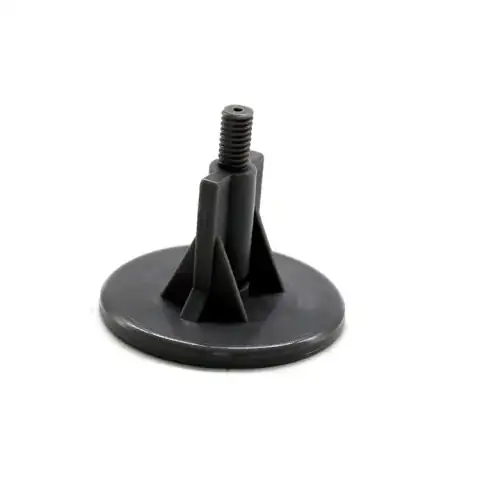
These are precision parts machined from high-performance plastics, mainly PEEK and acetal (POM), with PTFE, HDPE, Nylon, ABS and acrylic also available. Milling and turning produce valve seats, insulators, bearing cages and fixture components with typical tolerances of ±0.05 mm. They serve engineers replacing metal where heat, chemicals, weight or electrical insulation drive the design.
- Material
- Plastic
- Tolerance
- to ±0.005 mm
- MOQ
- 1 piece
- Prototype lead time
- 3–7 days
- PEEK for continuous service up to about 250 °C
- Acetal for stiff, low-friction, budget parts
- Near-net nesting to save expensive PEEK stock
- Material certificates available on request
Item ref. 1600238442082 ·
| Process | CNC milling and CNC turning |
|---|---|
| Materials | PEEK, POM/acetal, PTFE, HDPE, Nylon, ABS, acrylic |
| Tolerance | ±0.05 mm typical on stable grades |
| Surface Finish | As-machined, bead blast, polishing on clear grades |
| MOQ | 1 piece |
| Drawing Formats | STEP, IGES, X_T, STL, DWG, DXF, PDF |
| Lead Time | Prototypes ~3–7 working days; production typically 10–20 working days |
| Inspection | First-article + 100% critical-dimension inspection; CMM report on request |
| Typical Parts | Seals, valve seats, insulators, bushings, fixture nests |
Manufacturing
How we make this part
Process, material options and inspection for cnc machined peek and acetal high-performance plastic parts.
PEEK stock is expensive, so we nest parts carefully and program near-net roughing to protect yield. Its rigidity allows tighter tolerances than most plastics, but it generates heat when cut, so we use carbide tools with sharp edges, moderate feeds and air blast cooling. Acetal machines easily and is used for most functional prototypes. Annealed stock is preferred for PEEK parts that need dimensional stability after machining.
PEEK holds its properties in continuous service up to about 250 °C, resists most chemicals and is used where metal-replacement plastics must survive sterilization or hot oil. Acetal offers excellent stiffness and low friction at a fraction of the cost but tops out near 100 °C. PTFE is the chemical-resistance benchmark but is soft. Plastic parts are usually supplied as-machined; bead blasting gives a uniform matte look if appearance matters.
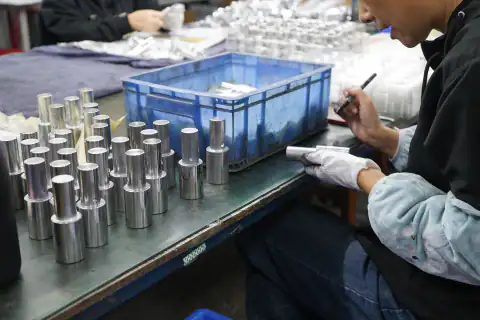
Because plastics relax after machining, final dimensions are measured after parts have stabilized at room temperature. Critical features are 100% checked with pin gauges, micrometers and CMM on complex geometry. Material certificates for PEEK and POM are available on request. Typical applications include semiconductor fixtures, pump and valve seals, medical device prototypes, electrical insulators and food-handling components.
FAQ
Frequently asked questions
Is PEEK worth the cost compared with acetal?
Only if the part sees temperatures above about 100 °C, aggressive chemicals, steam sterilization or needs high strength in plastic. PEEK stock costs many times more than acetal. For room-temperature wear parts, guides and prototypes, acetal usually performs well at much lower cost.
Can you machine PEEK parts for medical prototypes?
Yes, we machine PEEK prototypes and fixtures for medical device development, supplied with material certificates. Note that we do not hold medical-specific certifications beyond ISO 9001, so implant-grade traceability and validation are the responsibility of the device maker.
How do I get a quote for cnc machined peek and acetal high-performance plastic parts?
Send a 3D model (STEP or IGES) and a 2D drawing with tolerances, material, finish and quantity through the quote form or by email. An engineer replies within 24 hours on business days with price, lead time and any DFM suggestions.
Request a quote
Quote this part
Attach drawings or send several parts at once from the full quote form.
- Email[email protected]
- WhatsApp+86 176 2154 1688
- Phone+86 176 2154 1688
- HoursMon–Sat, 08:30–18:00 China Standard Time (UTC+8)