Mini Mold PP Plastic Injection Molded Connector Parts
These are small polypropylene connector parts, clips and housings produced in compact single- or two-cavity injection molds. The mold inserts are CNC machined and EDM finished in-house, then sampled and tuned before production. They suit appliance, electronics and consumer brands that need a few hundred to tens of thousands of plastic parts without paying for a full production tool.
- Material
- Plastic
- Tolerance
- to ±0.005 mm
- MOQ
- 1 piece
- Prototype lead time
- 3–7 days
- Low-cost mini mold with machined steel or aluminum inserts
- PP, ABS, PC, nylon and POM resins supported
- T1 samples measured and adjusted before production
- Suitable for a few hundred to mid-volume quantities
Item ref. 1600663448112 ·
| Process | Plastic injection molding with CNC/EDM-made mini mold inserts |
|---|---|
| Materials | PP, ABS, PC, PA (nylon), POM |
| Surface Finish | Polished, matte or textured cavity finish |
| Mold Type | Mini mold, 1–2 cavities, interchangeable inserts |
| Tolerance | ±0.05–0.1 mm typical for molded features; tighter on request |
| MOQ | 1 piece; prototypes through mid-volume runs |
| Drawing Formats | STEP, IGES, X_T, STL, DWG, DXF, PDF |
| Lead Time | Prototypes typically 3–7 working days; production usually 10–20 |
| Inspection | FAI, in-process checks, 100% critical dimensions; CMM |
Manufacturing
How we make this part
Process, material options and inspection for mini mold pp plastic injection molded connector parts.
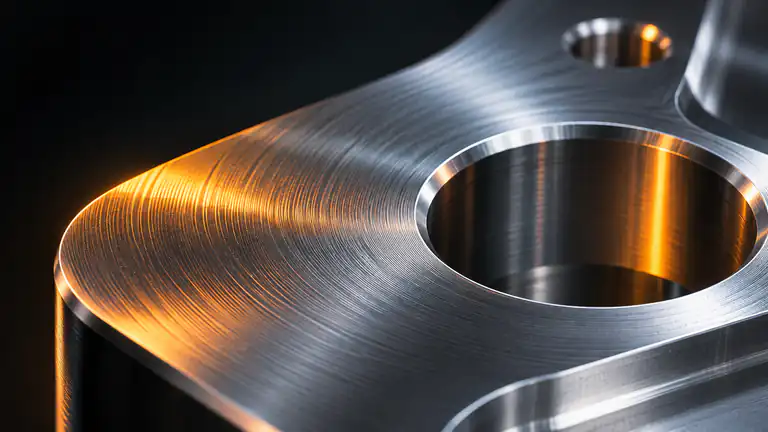
A mini mold uses a standard mold base with machined steel or aluminum inserts sized for the part, so only the cavity and core are custom. We cut the inserts on CNC mills, burn ribs and sharp internal corners with EDM, and polish gate and parting areas. First samples (T1) are shot, measured and adjusted before the mold is approved for production.
Polypropylene is chosen for connectors and living hinges because it is tough, chemical resistant and cheap, but it shrinks roughly 1.5–2.0%, so the cavity is scaled accordingly. Where stiffness or heat resistance matters more, ABS, PC, nylon or POM can run in the same tool after a shrink check. Texture, polished or matte cavity finishes are applied to the steel, not the part.
Molded parts are checked against the drawing at first article, then sampled through the run for short shots, flash, sink and warpage. Critical snap-fit and pin dimensions are measured with calipers, pin gauges or CMM. Typical uses include wire connectors, appliance knob bases, battery covers and small electrical housings where a low tool cost matters more than cycle time.
FAQ
Frequently asked questions
How many parts can a mini injection mold produce?
It depends on insert material and resin. Aluminum inserts are usually used for prototype and bridge runs of a few thousand shots, while hardened steel inserts handle much longer runs. For PP connectors, which are not abrasive, a steel-insert mini mold commonly covers low- to mid-volume demand before a multi-cavity tool is justified.
Can you change the connector design after the mold is made?
Yes, within limits. Removing steel is easy, so making a wall thinner or a hole larger is a quick insert modification. Adding material to the part means welding or replacing the insert, which costs more. We recommend reviewing draft angles, wall thickness and gate position before cutting steel to avoid avoidable rework.
How do I get a quote for mini mold pp plastic injection molded connector parts?
Send a 3D model (STEP or IGES) and a 2D drawing with tolerances, material, finish and quantity through the quote form or by email. An engineer replies within 24 hours on business days with price, lead time and any DFM suggestions.
Request a quote
Quote this part
Attach drawings or send several parts at once from the full quote form.
- Email[email protected]
- WhatsApp+86 176 2154 1688
- Phone+86 176 2154 1688
- HoursMon–Sat, 08:30–18:00 China Standard Time (UTC+8)