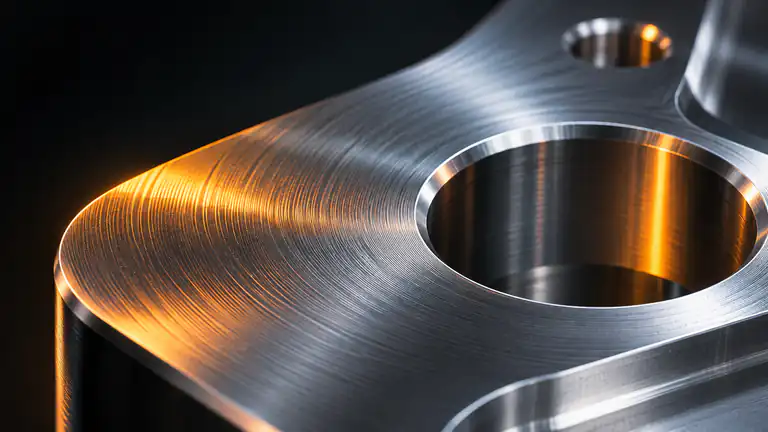
CNC Milled Aluminum Battery Cooling Plate and Housing
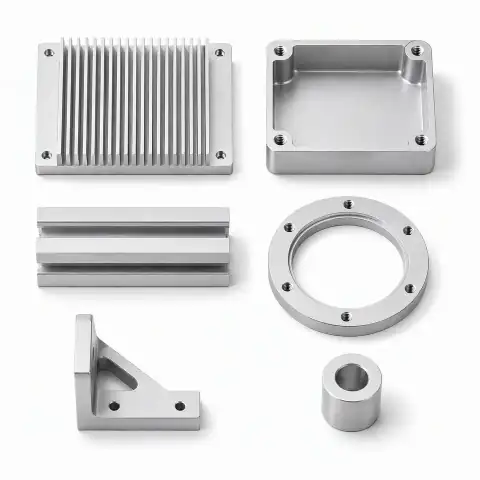
These are aluminum battery cooling plates and battery housings CNC milled for electric vehicles, energy storage and other new-energy systems. Coolant channels, O-ring grooves, inlet ports and mounting features are machined into 6061 or 6063 plate, with cover plates sealed by welding, brazing or gaskets. They suit battery pack engineers and EV startups building prototypes or low-volume packs.
- Material
- Aluminum
- Tolerance
- to ±0.005 mm
- MOQ
- 1 piece
- Prototype lead time
- 3–7 days
- Milled coolant channels matched to your flow design
- Gasketed or welded cover plates
- Flat cell contact faces for even heat transfer
- Leak testing to your specified criteria
Item ref. 1601926685846 ·
| Process | CNC milling, welding, drilling, tapping, leak testing |
|---|---|
| Materials | Aluminum 6061-T6, 6063, 5052 |
| Surface Finish | Anodizing, bare contact faces, sandblasting |
| Flatness | Cell contact face controlled to drawing |
| Tolerance | ±0.05 mm standard; down to ±0.005 mm on critical features |
| MOQ | 1 piece; prototypes through mid-volume runs |
| Drawing Formats | STEP, IGES, X_T, STL, DWG, DXF, PDF |
| Lead Time | Prototypes typically 3–7 working days; production usually 10–20 |
| Inspection | FAI, in-process checks, 100% critical dimensions; CMM |
Manufacturing
How we make this part
Process, material options and inspection for cnc milled aluminum battery cooling plate and housing.
Coolant channels are milled into the base plate with ball or flat end mills, following the flow layout designed by the customer. Channel walls, depths and corner radii are held consistently so pressure drop matches simulation. The cover is either sealed with a gasket and screws, or welded and leak tested. Housing walls, cell pockets and cable ports are milled in separate setups.
6063 conducts heat slightly better than 6061 and is easier to weld for sealed plates; 6061-T6 is stronger for structural housings. 5052 sheet is used for formed lids. Anodizing improves corrosion resistance and electrical insulation on outer surfaces, but bare contact faces with thermal interface material are often preferred. Flatness of the cell contact face matters for even heat transfer.
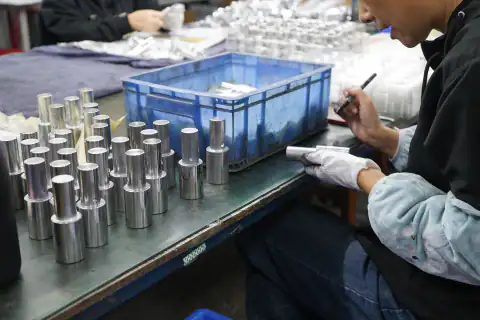
Flatness of the cooling face, channel dimensions and port threads are checked on every part, and sealed plates can be pressure or leak tested to the specified criteria. Inspection reports are available. Typical applications include EV battery modules, energy storage cabinets, power electronics cold plates, motor controller heat sinks and charging equipment that needs liquid cooling.
FAQ
Frequently asked questions
Can you leak test aluminum battery cooling plates?
Yes, sealed plates can be air or pressure tested according to the test pressure, medium and hold time you specify. Please define the acceptance criteria, such as maximum pressure drop. Gasketed designs can be tested with a fixture that replicates the final clamping.
Machined or brazed cold plates: which should I choose?
Machined plates with a gasket or welded lid suit prototypes and low volumes; they allow quick design changes and complex channels. Brazed or roll-bonded plates are cheaper at high volume and thinner but need tooling. Many teams prototype with machined plates, then move to brazed designs for mass production.
How do I get a quote for cnc milled aluminum battery cooling plate and housing?
Send a 3D model (STEP or IGES) and a 2D drawing with tolerances, material, finish and quantity through the quote form or by email. An engineer replies within 24 hours on business days with price, lead time and any DFM suggestions.
Request a quote
Quote this part
Attach drawings or send several parts at once from the full quote form.
- Email[email protected]
- WhatsApp+86 176 2154 1688
- Phone+86 176 2154 1688
- HoursMon–Sat, 08:30–18:00 China Standard Time (UTC+8)