CNC Milled and Turned Anodized Aluminum Custom Parts
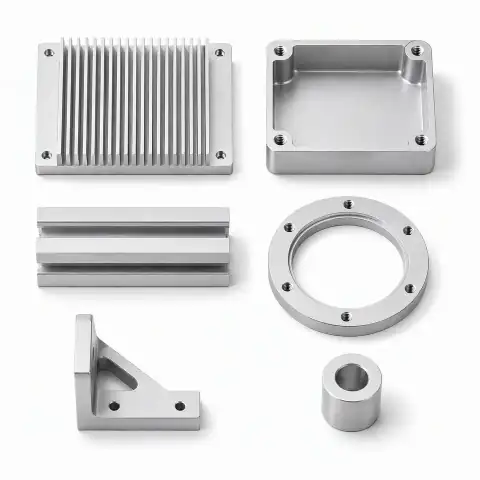
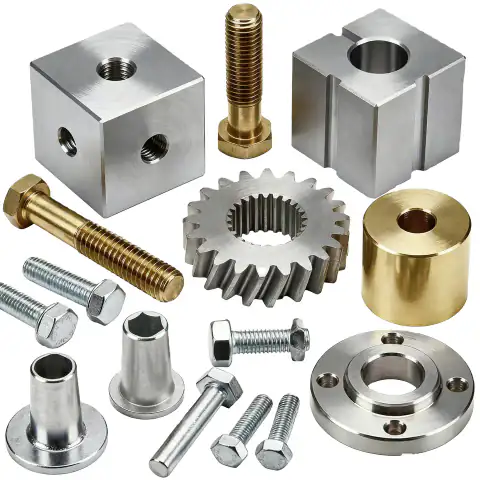
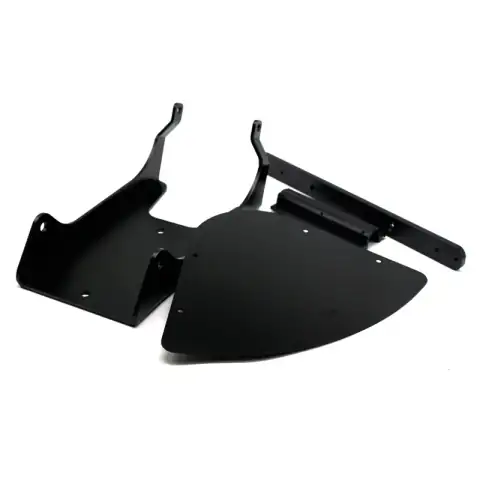
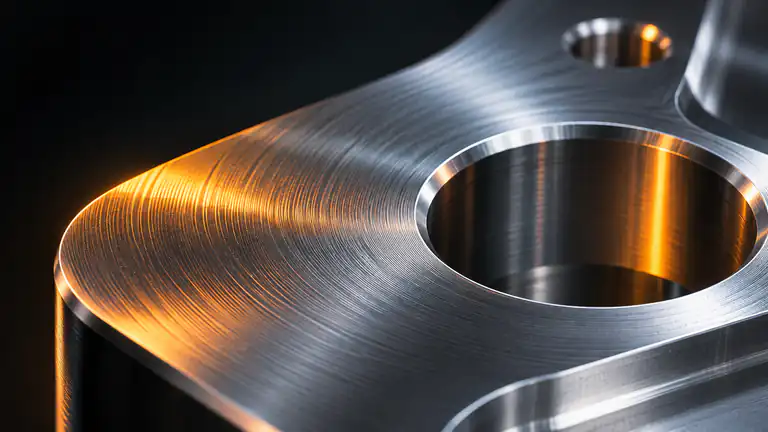
This is a general CNC milling and turning service for custom aluminum parts, finished by sandblasting and anodizing. Typical parts are brackets, housings, spacers, plates, covers and adapters made from 6061-T6, 7075-T6 or 5052 aluminum. It suits product designers and equipment builders who need accurate, good-looking aluminum parts in quantities from a single prototype to mid-volume batches.
- Material
- Aluminum
- Tolerance
- to ±0.005 mm
- MOQ
- 1 piece
- Prototype lead time
- 3–7 days
- Milled, turned or turn-mill aluminum parts
- Uniform sandblasted matte before anodizing
- Type II color or Type III hard anodize
- Fits rechecked after anodize growth
Item ref. 1601082589818 ·
| Process | CNC milling (3/4-axis), CNC turning, turn-mill |
|---|---|
| Materials | Aluminum 6061-T6, 7075-T6, 5052, 6063 |
| Tolerance | ±0.05 mm standard; down to ±0.005 mm on critical features |
| Surface Finish | Sandblasting + Type II / Type III anodizing |
| Blast Texture | Fine satin to coarse matte, by media size |
| MOQ | 1 piece; prototypes through mid-volume |
| Drawing Formats | STEP, IGES, X_T, STL, DWG, DXF, PDF |
| Lead Time | Prototypes typically 3–7 working days; production 10–20 |
| Inspection | First-article, in-process and CMM checks; reports on request |
Manufacturing
How we make this part
Process, material options and inspection for cnc milled and turned anodized aluminum custom parts.
Most aluminum parts are a mix of prismatic and round features. Plates, housings and brackets are milled on 3-axis and 4-axis machining centers; shafts, spacers and knobs go to CNC lathes. Parts with both, such as a flanged housing with a side port, can be produced on turn-mill machines. We deburr all edges before blasting so the finish stays even and the anodize does not burn sharp corners.
Sandblasting before anodizing creates a uniform matte surface that hides machining marks, which is why the "sandblast + oxidation" combination is so common. The blast media size changes the texture, from fine satin to coarse matte. Type II anodizing adds about 5–25 µm and comes in many colors; Type III hard anodize is thicker and harder but darker in tone. Threads may be masked to keep fits.
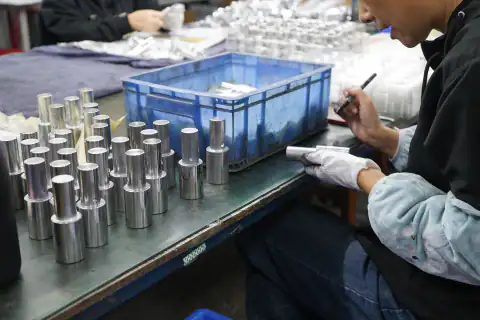
Dimensional checks happen before finishing, since anodizing grows the surface slightly, and critical fits are rechecked after. Color is approved against a reference sample, and parts are inspected for blasting uniformity and anodize defects. Typical parts include enclosure panels, sensor brackets, instrument housings, robot end-effector plates and consumer product frames.
FAQ
Frequently asked questions
Does anodizing change the dimensions of a machined part?
Yes, slightly. Type II anodize grows roughly half its thickness outward, so a 10 µm coating adds about 5 µm per surface. Type III grows more. For tight fits and threads, we either machine with an allowance or mask the features, so tell us which ones are critical.
What does sandblasting before anodizing do?
Blasting creates an even matte texture that hides tool marks and small scratches, giving a consistent look across a batch. It also slightly reduces gloss and fingerprint visibility. The trade-off is a small change in surface roughness, so sealing faces or bearing seats are usually masked from blasting.
How do I get a quote for cnc milled and turned anodized aluminum custom parts?
Send a 3D model (STEP or IGES) and a 2D drawing with tolerances, material, finish and quantity through the quote form or by email. An engineer replies within 24 hours on business days with price, lead time and any DFM suggestions.
Request a quote
Quote this part
Attach drawings or send several parts at once from the full quote form.
- Email[email protected]
- WhatsApp+86 176 2154 1688
- Phone+86 176 2154 1688
- HoursMon–Sat, 08:30–18:00 China Standard Time (UTC+8)