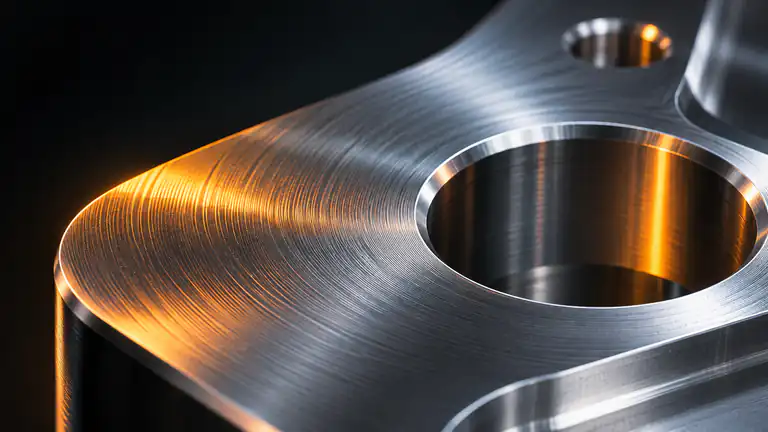
Drilled and Tapped Stainless Steel Industrial Components
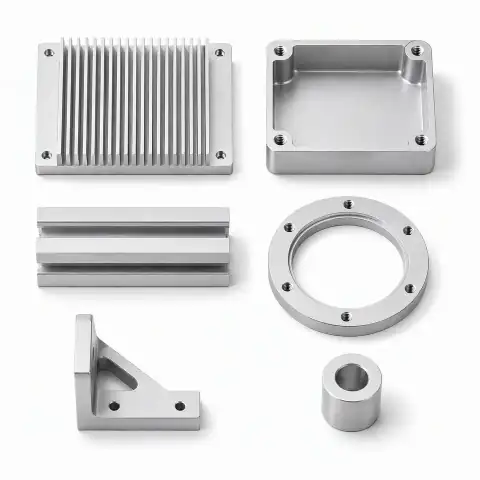
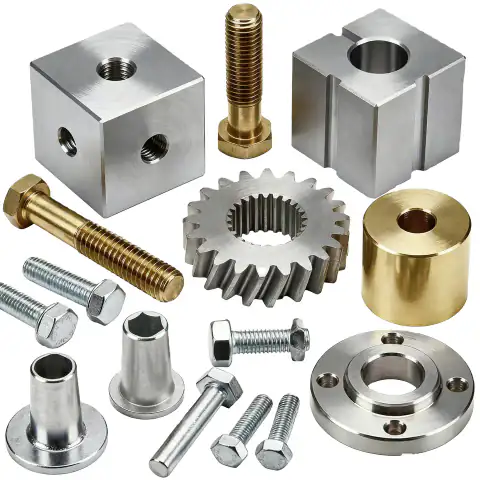
These are industrial components in stainless steel, aluminum and brass where drilling and tapping make up most of the work, such as flanges, manifolds, terminal blocks, mounting plates and connector bodies. Hole patterns, deep holes and threads are machined to drawing and gauged. They suit equipment builders who need many accurate, clean threaded holes in one-stop machined parts.
- Material
- Stainless Steel
- Tolerance
- to ±0.005 mm
- MOQ
- 1 piece
- Prototype lead time
- 3–7 days
- Thread milling in stainless avoids broken taps
- Through-coolant deep-hole drilling
- Every critical thread gauged
- Cross-hole intersections deburred
Item ref. 1601646369382 ·
| Process | CNC drilling, tapping, thread milling, CNC milling |
|---|---|
| Materials | Stainless steel 303/304/316; aluminum; brass |
| Tolerance | ±0.05 mm standard on hole positions |
| Surface Finish | Passivation, anodizing, nickel plating, polishing |
| MOQ | 1 piece |
| Drawing Formats | STEP, IGES, X_T, STL, DWG, DXF, PDF |
| Lead Time | Prototypes ~3–7 working days; production typically 10–20 working days |
| Inspection | First-article + 100% critical-dimension inspection; CMM report on request |
| Thread Types | Metric, UNC/UNF, NPT, BSP per drawing |
Manufacturing
How we make this part
Process, material options and inspection for drilled and tapped stainless steel industrial components.
Drilling-intensive parts depend on hole position and thread quality. Holes are spot drilled first, then drilled with carbide tools using through-coolant for deep holes and peck cycles where chips must be cleared. Threads in stainless are often thread-milled, which avoids broken taps and produces accurate threads at controlled depth; smaller threads in brass and aluminum are tapped. Cross holes are deburred at intersections.
Stainless 304 and 316 work-harden if the drill dwells, so feeds stay constant and tools sharp. 303 stainless drills and taps more easily where corrosion demands allow. Aluminum and brass are fast to drill and tap. Thread inserts can reinforce aluminum threads. Finishes include passivation for stainless, anodizing for aluminum, and nickel plating for brass.
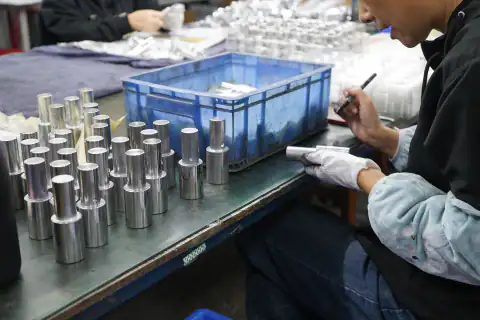
Hole positions are measured on CMM at first article, and every thread is checked with go/no-go gauges on critical parts. Critical dimensions are 100% inspected. Typical uses include pipe flanges, terminal blocks, bolted mounting plates, hydraulic connectors and instrument panels. Parts are washed to remove chips and cutting fluid from blind holes before packing, so threads are clean and ready for assembly on arrival.
FAQ
Frequently asked questions
Why thread-mill instead of tapping stainless steel?
Taps in stainless steel can break from work hardening and chip packing, which can scrap an expensive part. Thread milling uses a smaller tool moving in a helical path, so cutting forces are lower, threads are accurate, and a worn tool can be replaced without damaging the part.
How deep can you drill holes in stainless steel?
With through-coolant carbide drills and peck cycles, we drill holes many times deeper than their diameter in stainless steel. The practical limit depends on diameter, straightness requirement and material. Send the drawing and we will confirm the approach.
How do I get a quote for drilled and tapped stainless steel industrial components?
Send a 3D model (STEP or IGES) and a 2D drawing with tolerances, material, finish and quantity through the quote form or by email. An engineer replies within 24 hours on business days with price, lead time and any DFM suggestions.
Request a quote
Quote this part
Attach drawings or send several parts at once from the full quote form.
- Email[email protected]
- WhatsApp+86 176 2154 1688
- Phone+86 176 2154 1688
- HoursMon–Sat, 08:30–18:00 China Standard Time (UTC+8)