Type II and Type III Anodized Aluminum CNC Components
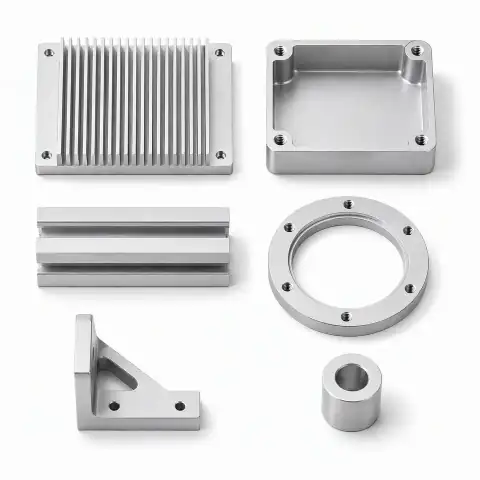
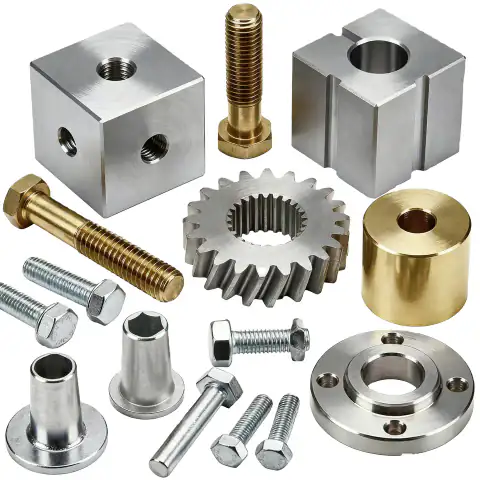
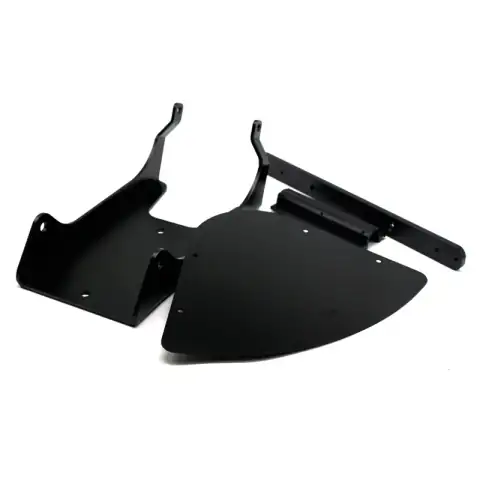
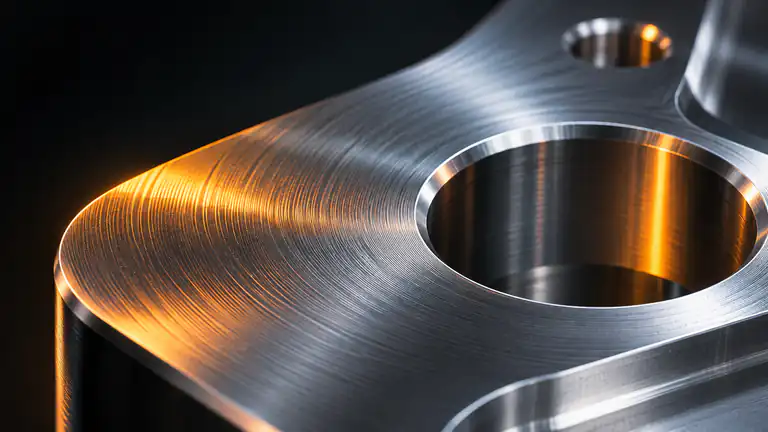
These are CNC turned and milled aluminum components finished with Type II color anodizing or Type III hard anodizing. Type II gives decorative colors and corrosion protection; Type III gives a thick, hard, wear-resistant surface. The service suits product designers, appliance and equipment makers that need aluminum parts with a controlled anodized finish, from single prototypes to batches.
- Material
- Aluminum
- Tolerance
- to ±0.005 mm
- MOQ
- 1 piece
- Prototype lead time
- 3–7 days
- Type II color anodizing, typically 5–25 µm
- Type III hard anodizing, typically 25–50 µm
- Masked threads and bores stay bare when needed
- Eddy-current thickness checks and color samples
Item ref. 1601679947297 ·
| Process | CNC turning, CNC milling, Type II and Type III anodizing |
|---|---|
| Materials | Aluminum 6061-T6, 6063, 7075-T6 |
| Surface Finish | Type II color anodizing, Type III hard anodizing, masking, laser marking |
| Tolerance | ±0.05 mm standard; down to ±0.005 mm on critical features |
| MOQ | 1 piece; prototypes through mid-volume runs |
| Drawing Formats | STEP, IGES, X_T, STL, DWG, DXF, PDF |
| Lead Time | Prototypes typically 3–7 working days; production usually 10–20 |
| Inspection | FAI, in-process checks, 100% critical dimensions; CMM |
Manufacturing
How we make this part
Process, material options and inspection for type ii and type iii anodized aluminum cnc components.
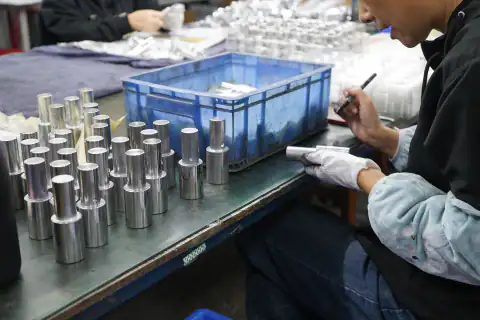
Parts are machined with finishing allowances that account for anodize growth, and edges are chamfered or radiused so the coating covers corners evenly. Threads and precision bores are masked with plugs or caps if they must stay bare. After machining, parts are degreased, etched and anodized, then dyed and sealed for Type II, or sealed or left unsealed for Type III depending on use.
Type II anodizing is typically 5–25 µm thick and accepts dyes in black, red, blue, gold and other colors. Type III hard anodizing is usually 25–50 µm or more, much harder and more wear resistant, but colors are limited to dark tones. 6061 gives the most consistent results; 7075 is stronger but less uniform in color; casting alloys anodize poorly.
Coating thickness is measured with eddy-current gauges, and color is compared with approved samples. Dimensions are checked after finishing on critical features. Typical parts include appliance knobs and trims, sliding guides, pneumatic cylinder components, camera parts, enclosure panels and robotics parts that need durable, consistent surfaces, whether ordered as single prototypes or repeat production batches with matched color.
FAQ
Frequently asked questions
What is the difference between Type II and Type III anodizing?
Type II is thinner, typically 5–25 µm, and suited to color and general corrosion protection. Type III, or hard anodizing, is thicker, typically 25–50 µm, much harder and more wear resistant, but limited to dark colors. Choose Type II for appearance and Type III for sliding, wear or abrasive environments.
Which aluminum alloy gives the best anodized color?
6061 and 6063 give the most uniform, bright anodized colors. 7075 can be anodized but may look slightly darker or uneven. 2024 and die-casting alloys often anodize poorly. For cosmetic parts with strict color requirements, 6061 or 6063 is the safest choice.
How do I get a quote for type ii and type iii anodized aluminum cnc components?
Send a 3D model (STEP or IGES) and a 2D drawing with tolerances, material, finish and quantity through the quote form or by email. An engineer replies within 24 hours on business days with price, lead time and any DFM suggestions.
Request a quote
Quote this part
Attach drawings or send several parts at once from the full quote form.
- Email[email protected]
- WhatsApp+86 176 2154 1688
- Phone+86 176 2154 1688
- HoursMon–Sat, 08:30–18:00 China Standard Time (UTC+8)