CNC Milled and Turned Aluminum and Brass Custom Parts
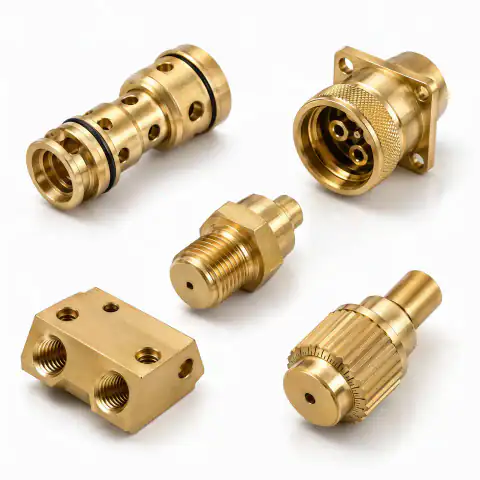
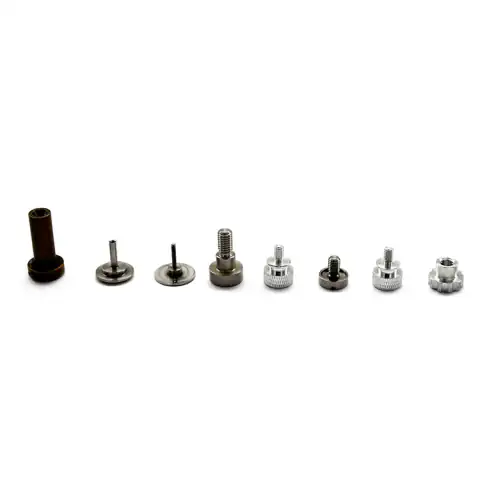
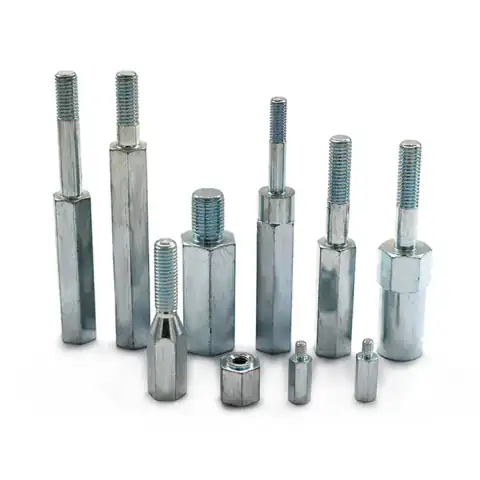
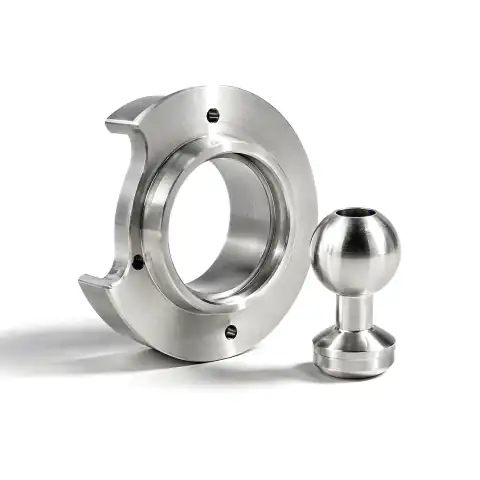
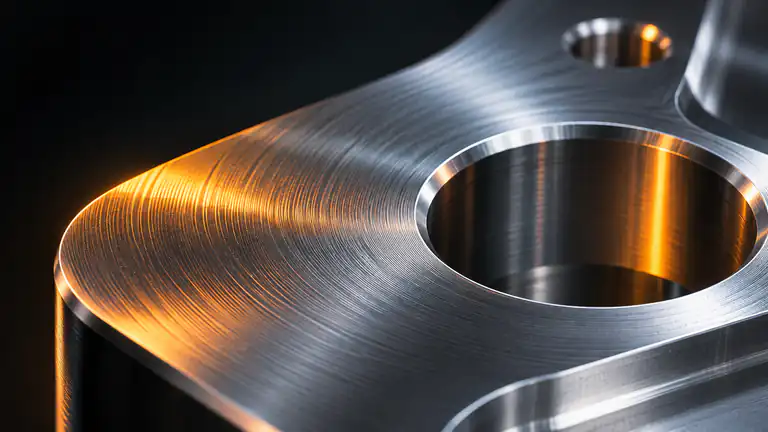
These are custom parts CNC milled and turned in aluminum and brass, such as fittings, housings, spacers, connectors and decorative hardware. Critical features are held to about ±0.01 mm, orders start at one piece and lead times are typically 3–15 working days. Samples can be arranged. The service suits buyers who need both aluminum and brass parts from a single supplier.
- Material
- Aluminum
- Tolerance
- to ±0.005 mm
- MOQ
- 1 piece
- Prototype lead time
- 3–7 days
- Aluminum and brass parts from one supplier
- Critical features to about ±0.01 mm
- Separate process plans per material
- Typical 3–15 working day lead times
Item ref. 1600074711281 ·
| Process | CNC milling, CNC turning |
|---|---|
| Materials | Aluminum 6061-T6, 7075-T6; brass C36000, H59 |
| Tolerance | ±0.01 mm on critical features; ±0.05 mm general |
| Surface Finish | Anodizing, polishing, nickel or chrome plating, as-machined |
| Lead Time Range | Typically 3–15 working days |
| MOQ | 1 piece; prototypes through mid-volume |
| Drawing Formats | STEP, IGES, X_T, STL, DWG, DXF, PDF |
| Lead Time | Prototypes typically 3–7 working days; production 10–20 |
| Inspection | First-article, in-process and CMM checks; reports on request |
Manufacturing
How we make this part
Process, material options and inspection for cnc milled and turned aluminum and brass custom parts.
Aluminum and brass are both easy to machine, but they behave differently. Aluminum is soft and can build up on tools, so we use sharp, polished cutters and high speeds. Brass breaks chips cleanly and allows very fine finishes. We plan the process for each material separately, while keeping the same inspection standards so mixed-material assemblies fit together.
Aluminum 6061-T6 is light and anodizes in many colors; 7075-T6 adds strength. Brass C36000 and H59 are dense, corrosion resistant and conductive, ideal for fittings and terminals. Aluminum is typically anodized, while brass is polished, plated with nickel or chrome, or left as machined. Combining both materials gives weight and conductivity where each is needed.
Critical features are inspected on every part, with first-article reports available. Thread gauges, CMM and height gauges are used, and brass and aluminum parts are packed separately to prevent surface marks. Typical uses include aluminum housings with brass inserts, pneumatic fittings, electrical connectors, decorative hardware, valve components and mixed-material assemblies for electronics and machinery.
FAQ
Frequently asked questions
Should I use aluminum or brass for a fitting?
Aluminum is lighter and cheaper by volume, suited to low-pressure air fittings and lightweight assemblies. Brass is heavier but more corrosion resistant, conductive and durable in threads, making it better for water, gas and electrical fittings.
Can you supply samples before a production order?
Yes. Prototypes or samples can be machined before the order so you can check fit and finish. Sample terms depend on part complexity and quantity. Once approved, production uses the same process and drawing revision.
How do I get a quote for cnc milled and turned aluminum and brass custom parts?
Send a 3D model (STEP or IGES) and a 2D drawing with tolerances, material, finish and quantity through the quote form or by email. An engineer replies within 24 hours on business days with price, lead time and any DFM suggestions.
Request a quote
Quote this part
Attach drawings or send several parts at once from the full quote form.
- Email[email protected]
- WhatsApp+86 176 2154 1688
- Phone+86 176 2154 1688
- HoursMon–Sat, 08:30–18:00 China Standard Time (UTC+8)