CNC Turned Aluminum Mechanical Parts, Sandblast Anodized
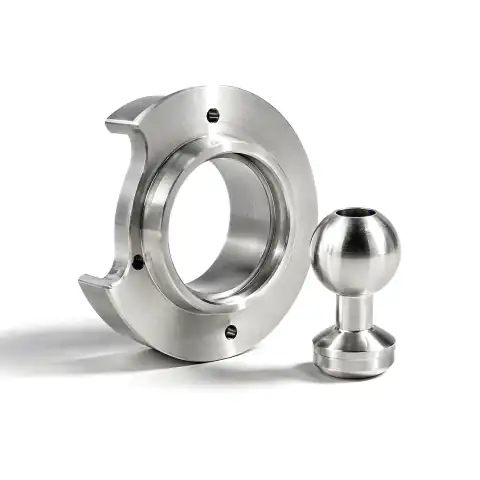
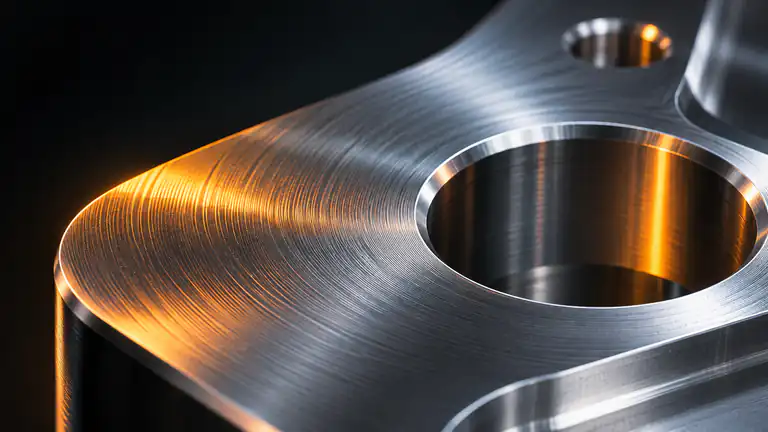
These are CNC turned aluminum mechanical parts such as rollers, hubs, spacers, knobs, collars and adapter rings, finished by sandblasting and anodizing. They are turned from 6061 or 6082 bar on CNC lathes, with milled flats, holes and slots added as required. They suit machine builders and product companies needing light, corrosion-resistant round parts.
- Material
- Aluminum
- Tolerance
- to ±0.005 mm
- MOQ
- 1 piece
- Prototype lead time
- 3–7 days
- All diameters concentric from a single chucking
- Live tooling adds flats, holes and engraving
- Sandblasted matte texture before anodizing
- Masked bearing seats and threads
Item ref. 1601349069781 ·
| Process | CNC turning with live tooling, between-centers turning |
|---|---|
| Materials | Aluminum 6061-T6, 6082, 2024, 7075 |
| Surface Finish | Sandblasting plus anodizing (clear, black, colors) |
| Tolerance | ±0.05 mm standard; down to ±0.005 mm on critical features |
| MOQ | 1 piece; prototypes through mid-volume runs |
| Drawing Formats | STEP, IGES, X_T, STL, DWG, DXF, PDF |
| Lead Time | Prototypes typically 3–7 working days; production usually 10–20 |
| Inspection | FAI, in-process checks, 100% critical dimensions; CMM |
Manufacturing
How we make this part
Process, material options and inspection for cnc turned aluminum mechanical parts, sandblast anodized.
Turning keeps all diameters concentric because they are cut in one chucking. Live tools on the lathe add cross holes, flats and engraved marks without a separate mill operation. Larger rollers are turned between centers to control runout. Parting and back-facing are planned so both faces are finished, which avoids a visible step on cosmetic parts.
6061-T6 is the standard choice; it turns cleanly and anodizes evenly. 2024 is stronger but anodizes less evenly and corrodes faster, while 7075 is used for highly stressed shafts and pins. Sandblasting before anodizing creates a uniform matte color and hides chatter or tool marks. For bearing seats, threads or press fits, masking prevents anodize from changing the fit.
Runout, diameters and thread fits are checked with indicators, micrometers and gauges, and critical features are inspected on every part. Finish color and blasting texture are compared to approved samples. Common uses include idler rollers, knobs for instruments, motor hubs, shaft collars, light fittings and spacers in packaging, printing and automation machinery, as well as consumer product parts.
FAQ
Frequently asked questions
Does anodizing change the size of turned aluminum parts?
Yes, slightly. Type II anodizing grows about half its thickness outward, so a 10 µm layer adds roughly 5 µm per surface, or 10 µm on a diameter. For tight fits, we either machine undersize to compensate or mask the surface. Specify whether dimensions apply before or after finishing.
What runout can you hold on turned aluminum rollers?
For rollers turned in one setup or between centers, runout of about 0.01–0.02 mm is typical on moderate lengths. Long thin rollers may need additional support or balancing. Put the runout tolerance on the drawing so it is measured and recorded.
How do I get a quote for cnc turned aluminum mechanical parts, sandblast anodized?
Send a 3D model (STEP or IGES) and a 2D drawing with tolerances, material, finish and quantity through the quote form or by email. An engineer replies within 24 hours on business days with price, lead time and any DFM suggestions.
Request a quote
Quote this part
Attach drawings or send several parts at once from the full quote form.
- Email[email protected]
- WhatsApp+86 176 2154 1688
- Phone+86 176 2154 1688
- HoursMon–Sat, 08:30–18:00 China Standard Time (UTC+8)