CNC Turned Steel Shafts and Machined Valve Housings
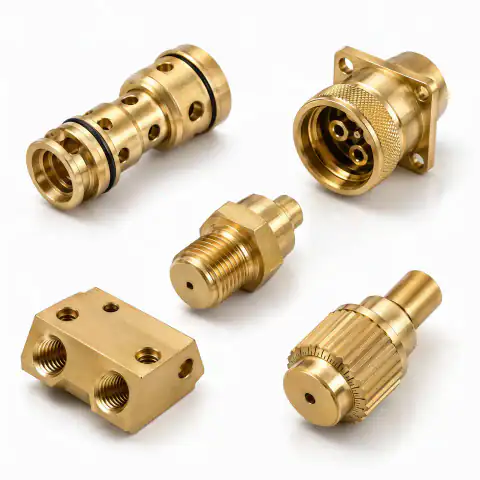
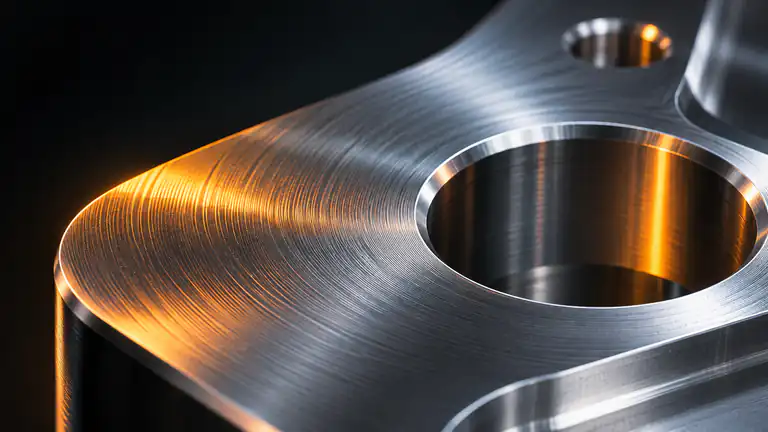
These are industrial machinery shafts and valve housings: shafts CNC turned from carbon, alloy or stainless steel, and valve housings milled and turned from steel, stainless steel or brass. Shafts include keyways, splines, threads and bearing seats; housings include ports, seats and mounting faces. They suit pump, valve, gearbox and machine builders needing durable parts to drawing.
- Material
- Carbon Steel
- Tolerance
- to ±0.005 mm
- MOQ
- 1 piece
- Prototype lead time
- 3–7 days
- Shafts turned between centers for concentricity
- Induction hardened or quench-and-temper options
- Valve ports and seats machined with clean intersections
- Seat surfaces finished to about Ra 0.8 µm
Item ref. 1601926716841 ·
| Process | CNC turning, milling, broaching, grinding, heat treatment |
|---|---|
| Materials | Carbon steel 1045, alloy steel 4140, stainless steel 304/316, brass |
| Surface Finish | Black oxide, zinc or nickel plating, painting, passivation |
| Tolerance | ±0.05 mm standard; down to ±0.005 mm on critical features |
| MOQ | 1 piece; prototypes through mid-volume runs |
| Drawing Formats | STEP, IGES, X_T, STL, DWG, DXF, PDF |
| Lead Time | Prototypes typically 3–7 working days; production usually 10–20 |
| Inspection | FAI, in-process checks, 100% critical dimensions; CMM |
Manufacturing
How we make this part
Process, material options and inspection for cnc turned steel shafts and machined valve housings.
Shafts are turned between centers to keep bearing seats concentric, then keyways are milled and splines cut or broached. Heat-treated shafts are finish ground at bearing journals. Valve housings are milled on 4-axis machines, with port bores, seat pockets and cross passages machined in sequence so internal intersections meet cleanly. Burrs at internal intersections are removed to prevent seal damage.
1045 steel is economical for shafts and can be induction hardened at wear zones; 4140 offers higher strength after quench and temper. Stainless 304 and 316 suit wet and corrosive service. Valve housings in stainless steel or brass resist corrosion; carbon steel housings are painted or plated. Seat surfaces need a fine finish, often Ra 0.8 µm or better.
Journal diameters, runout and keyway dimensions are measured on each shaft; housing port positions and seat dimensions are checked with CMM and gauges. Hardness is verified after heat treatment. Typical parts include pump shafts, gearbox input shafts, conveyor drive shafts, hydraulic valve bodies, manifold blocks and pneumatic valve housings for pumps, compressors, gearboxes and process equipment.
FAQ
Frequently asked questions
Can you grind shafts after heat treatment?
Yes. For hardened bearing journals and seal surfaces, we finish turn with grinding stock, heat treat, then grind to final size and surface finish. This removes heat-treat distortion and achieves the tight diameters and low roughness bearings need.
How do you prevent burrs inside valve housings?
Internal intersections are planned in the machining sequence, deburred with special tools, brushes or thermal methods depending on access, and inspected with borescopes or by eye. Burr-free passages protect seals and avoid debris in hydraulic circuits.
How do I get a quote for cnc turned steel shafts and machined valve housings?
Send a 3D model (STEP or IGES) and a 2D drawing with tolerances, material, finish and quantity through the quote form or by email. An engineer replies within 24 hours on business days with price, lead time and any DFM suggestions.
Request a quote
Quote this part
Attach drawings or send several parts at once from the full quote form.
- Email[email protected]
- WhatsApp+86 176 2154 1688
- Phone+86 176 2154 1688
- HoursMon–Sat, 08:30–18:00 China Standard Time (UTC+8)