Sandblasted and Anodized Aluminum Machinery Enclosure
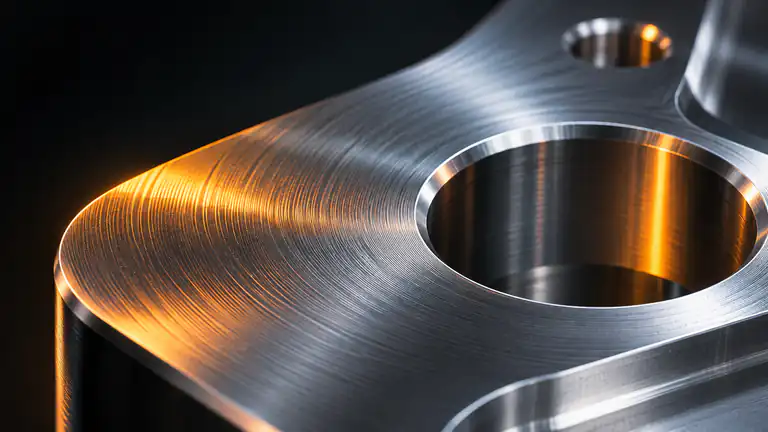
This is a CNC machined aluminum enclosure or cover for industrial equipment, finished by sandblasting followed by anodizing. Milled from solid 6061 or 6063, it can include pockets, bosses, cable glands and gasket grooves. The blasted, anodized surface is matte, hides tool marks and resists corrosion. It suits equipment makers needing robust housings for controllers, sensors and drives.
- Material
- Aluminum
- Tolerance
- to ±0.005 mm
- MOQ
- 1 piece
- Prototype lead time
- 3–7 days
- Milled from solid 6061 or 6063 billet
- Sandblast plus anodize for uniform matte color
- Gasket grooves cut for even seal compression
- Sealing faces masked to protect flatness
Item ref. 1601000285357 ·
| Process | CNC milling (roughing and finishing setups), groove cutting, tapping |
|---|---|
| Materials | Aluminum 6061-T6, 6063 |
| Surface Finish | Sandblasting plus Type II color anodizing; hard anodizing optional |
| Tolerance | ±0.05 mm standard; down to ±0.005 mm on critical features |
| MOQ | 1 piece; prototypes through mid-volume runs |
| Drawing Formats | STEP, IGES, X_T, STL, DWG, DXF, PDF |
| Lead Time | Prototypes typically 3–7 working days; production usually 10–20 |
| Inspection | FAI, in-process checks, 100% critical dimensions; CMM |
Manufacturing
How we make this part
Process, material options and inspection for sandblasted and anodized aluminum machinery enclosure.
The enclosure body is roughed from billet, leaving even stock on all walls, then finished in a second setup after stress has relaxed. Gasket grooves are cut with dedicated groove tools so the seal compresses evenly. Tapped holes for lids are positioned from the same datum as the groove, which keeps the seal line consistent around the perimeter.
Sandblasting with fine glass bead or aluminum oxide creates a uniform matte texture before anodizing. Type II anodizing then adds a 5–25 µm oxide layer in black, silver, blue, red or other colors. Hard anodizing is used where the housing faces abrasion. Because blasting removes a little material, critical sealing faces can be masked so flatness is not affected.
Wall thickness, groove depth, thread positions and lid fit are checked on the first article. Color is compared against approved samples, and every enclosure is inspected for blasting uniformity and anodize defects before packing. Typical uses are motor controller housings, sensor enclosures, instrument cases, panel-mount boxes and covers for drives in industrial machines and outdoor equipment where appearance and durability both matter.
FAQ
Frequently asked questions
Why sandblast aluminum before anodizing?
Blasting gives a consistent matte texture that hides tool paths and small handling marks, and anodized color looks more even on it. It also reduces glare and fingerprints. The trade-off is a slight loss of material and a rougher surface, so precision fits and sealing faces are usually masked during blasting.
Can a machined aluminum enclosure be waterproof?
A machined enclosure can achieve a good seal when the gasket groove, lid flatness and screw spacing are designed together. We machine grooves to the gasket maker's dimensions and hold the sealing face flat. Ingress rating depends on the full design and gasket, so testing is the responsibility of the product owner.
How do I get a quote for sandblasted and anodized aluminum machinery enclosure?
Send a 3D model (STEP or IGES) and a 2D drawing with tolerances, material, finish and quantity through the quote form or by email. An engineer replies within 24 hours on business days with price, lead time and any DFM suggestions.
Request a quote
Quote this part
Attach drawings or send several parts at once from the full quote form.
- Email[email protected]
- WhatsApp+86 176 2154 1688
- Phone+86 176 2154 1688
- HoursMon–Sat, 08:30–18:00 China Standard Time (UTC+8)